Furniture Staging Guide for South Riding Realtors
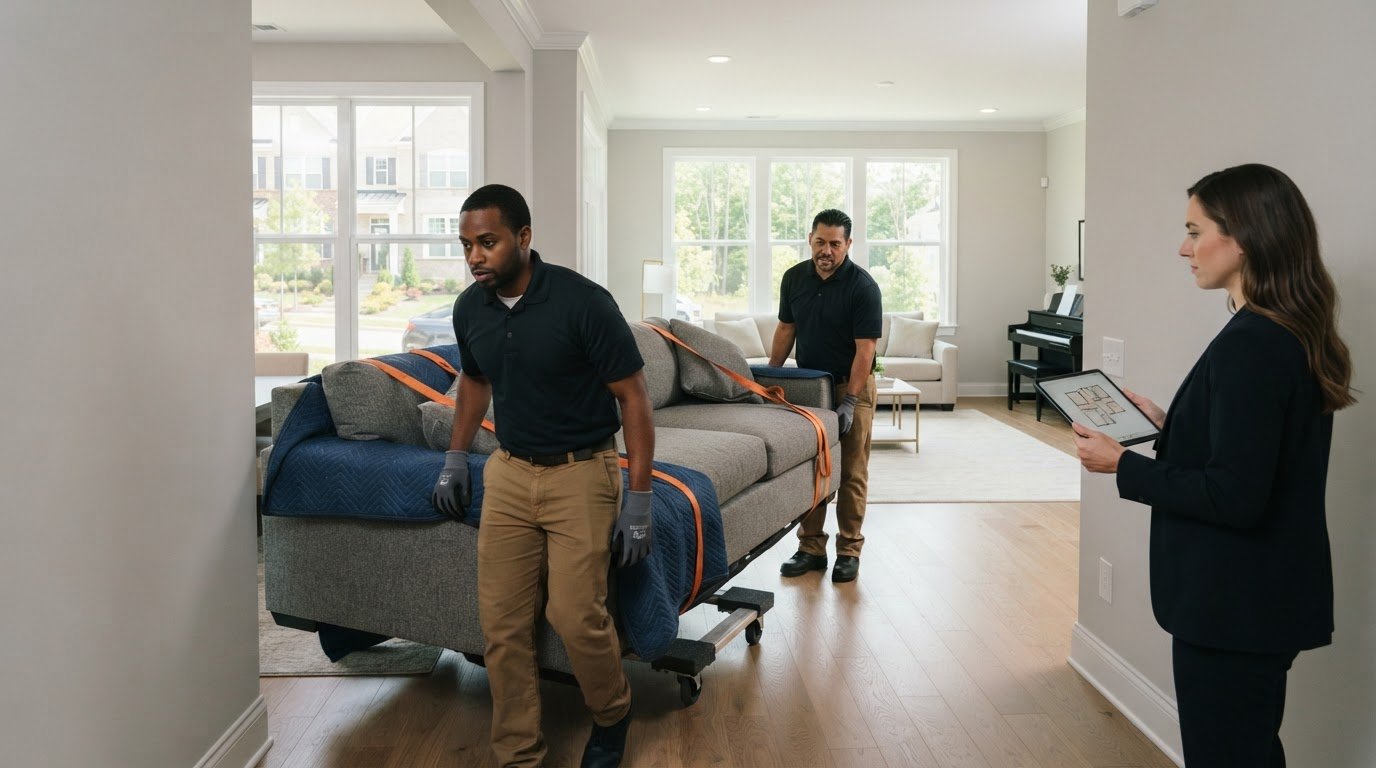
Staging day can lose momentum before the first listing photo if a heavy sofa won’t clear the hallway or furniture needs to be shifted across the home. Realtors set the staging plan, while movers handle the heavy lifting. If you’re searching for furniture staging help for realtors South Riding, a clear move plan can make the day easier to manage.
Sellers, movers, and photographers may all need to work around the same rooms. Narrow routes and bulky pieces can slow the process, so decide what needs to move and where each item should go before the work begins. Focused furniture-moving help lets you reposition selected furnishings without unnecessary strain or disruption to the home.
This guide covers how to prepare rooms for listing photos and showings, map out access, and coordinate sellers, movers, and photography around a practical schedule. You’ll also learn how local furniture movers can support a realtor’s staging plan in an occupied or vacant property without taking over design decisions. Keep the plan specific, protect the home, and identify a destination for every piece that needs to move.
Key Takeaways
- Use furniture-moving help for the lifting, shifting, and placement in your staging plan, while keeping design and furnishing choices with the realtor.
- Match the scope of help to the job: focused in-home moves can suit selected furniture shifts, while a full relocation covers a broader move.
- Share a written item list, each piece’s destination, priority order, and handling notes to keep staging day organized.
- For furniture staging help for realtors South Riding, prepare the address, item list, access notes, and target timing when arranging moving support.
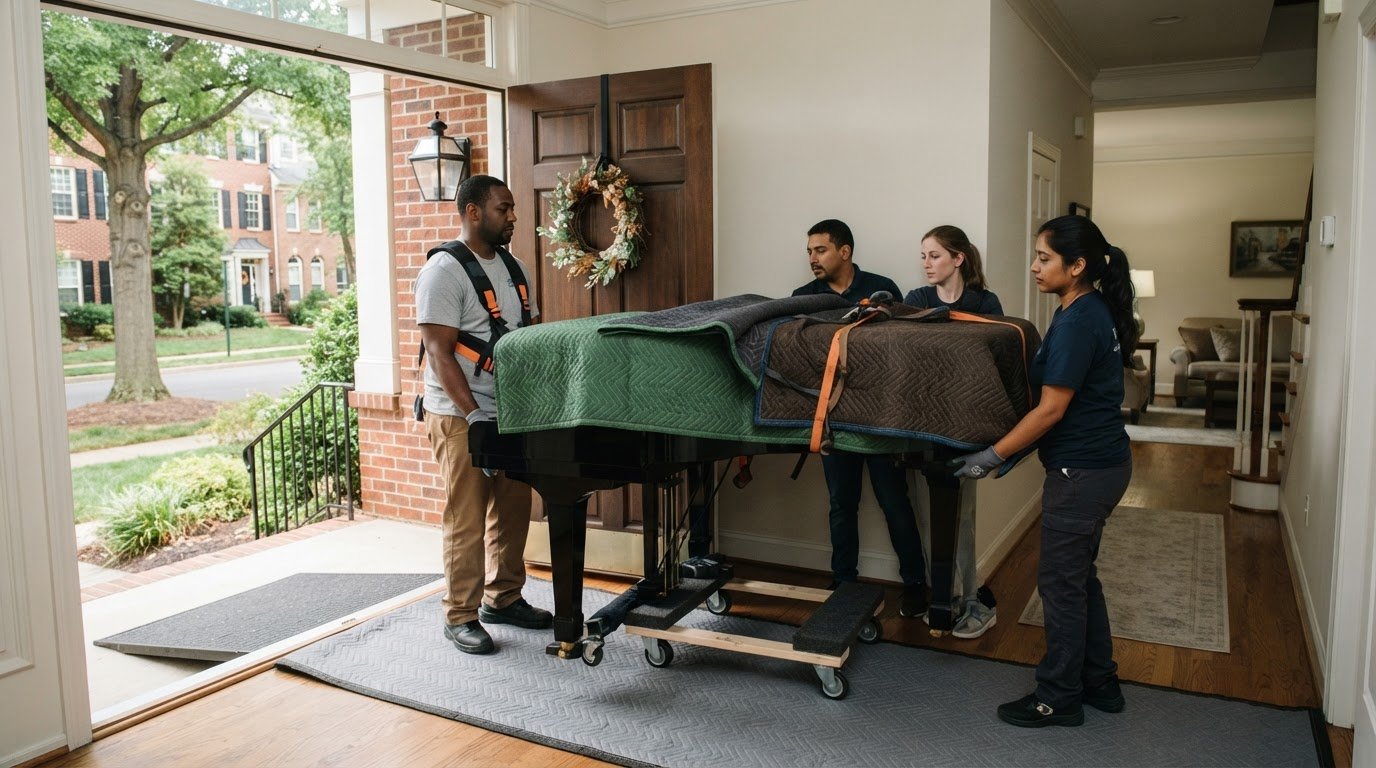
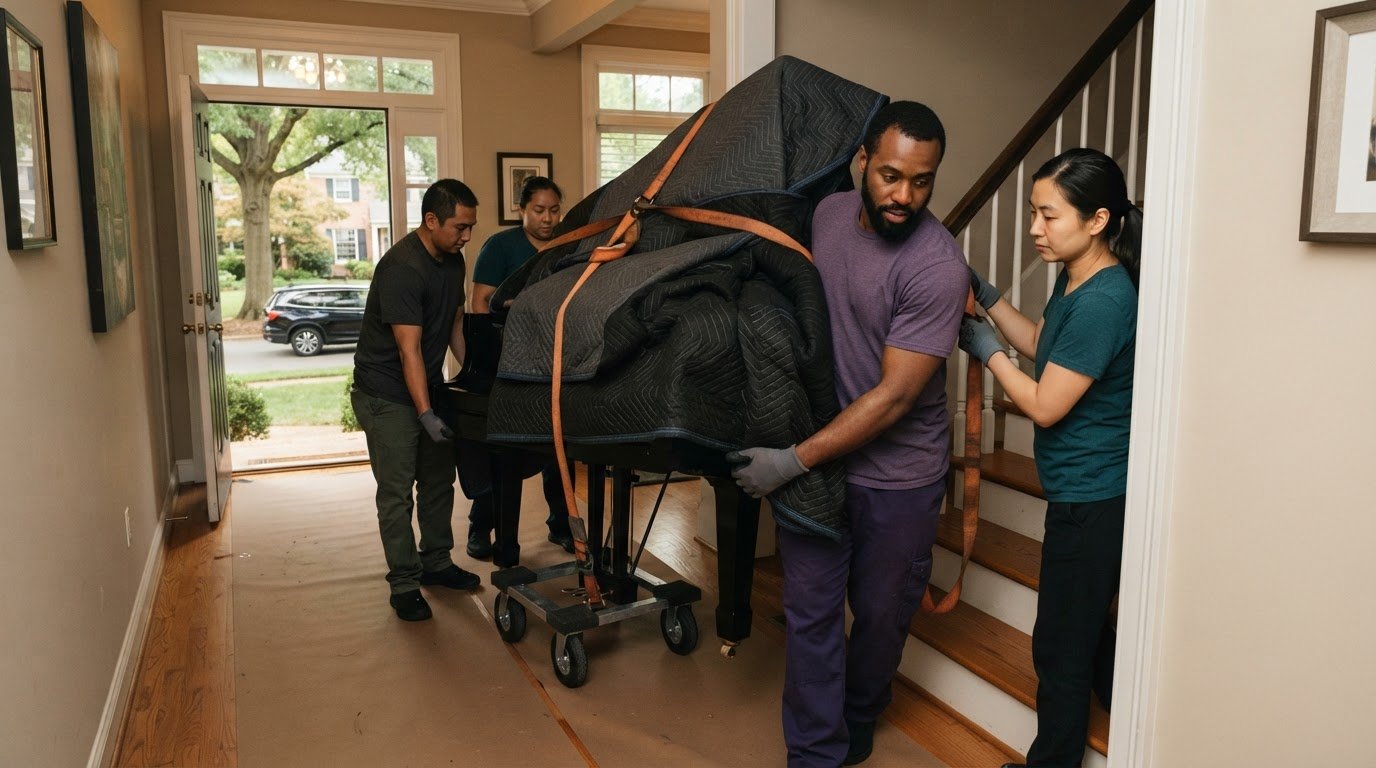
- Plan how each piece will reach its destination, especially when bulky furnishings and tight access are part of the job.
Furniture staging help for South Riding realtors: what the moving support covers
Bulky furnishings can turn a simple room refresh into a demanding job. A sofa may need to shift across the living room, a bed may need repositioning, or an oversized piece may need to move out of the way of listing photography. Furniture staging help for realtors South Riding means lifting, shifting, and placing selected furnishings according to the realtor’s or homeowner’s instructions.
That support is physical, not creative. Home staging prepares a property to appeal to potential buyers; What is home staging? offers a useful overview of the concept. The realtor or homeowner chooses the room layout, furnishings, and final look. Movers carry out those decisions by handling heavier pieces and placing them in the specified locations.
Keeping these responsibilities distinct makes the work easier to organize. The realtor sets priorities, identifies each item’s destination, and shares any handling notes. Focused in-home moving help suits projects that involve a few pieces or rooms rather than packing and relocating an entire household.
When realtors need furniture-moving help before a listing
Moving support can help with room-to-room shifts, clearing walkways, and relocating bulky furnishings that are difficult to handle alone. For example, a realtor may want to open up the living room floor or move a large chair so the photographer has a clearer view. The realtor or homeowner directs placement and design choices; movers take care of the physical work.
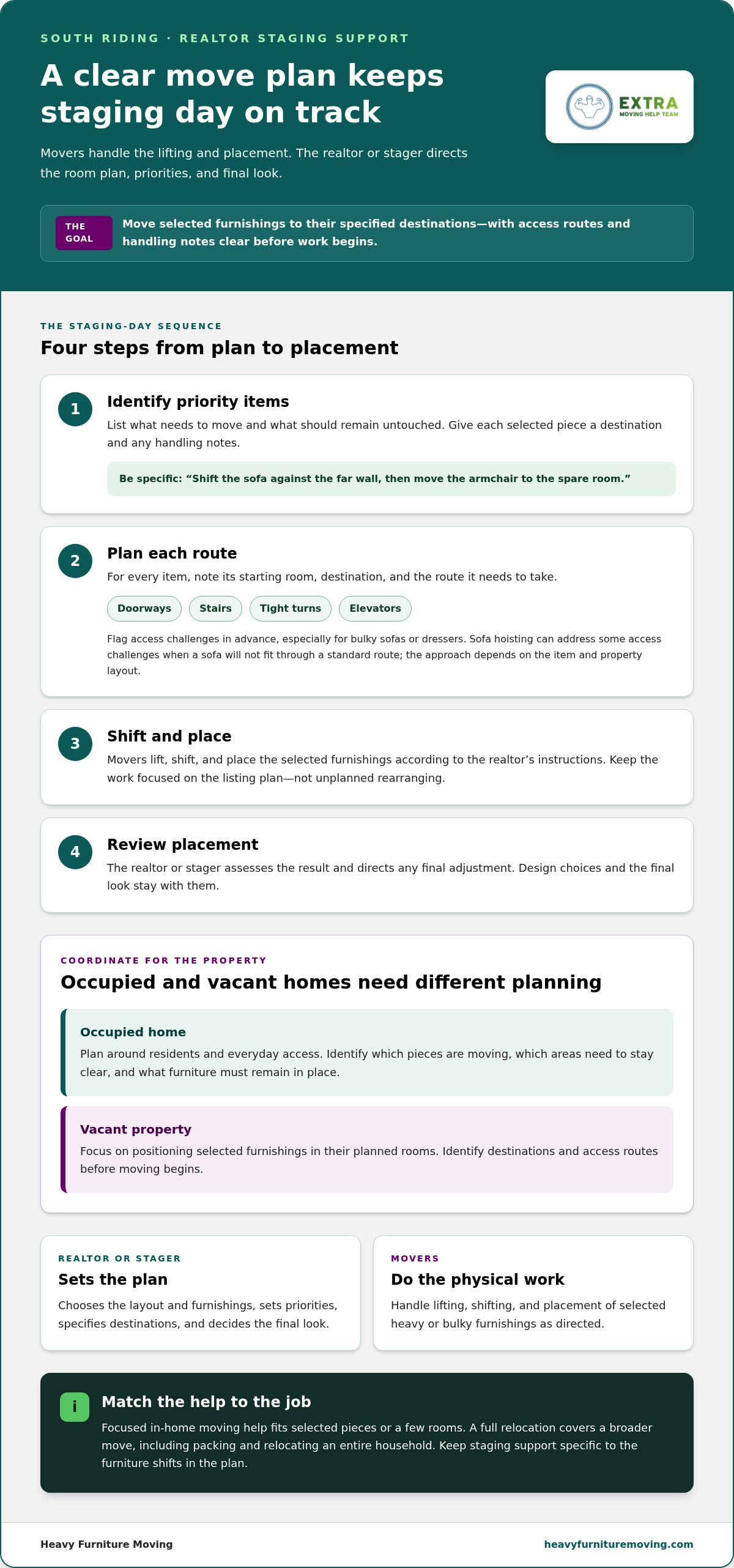
Be specific about each task. “Move the sofa” leaves room for guesswork. “Shift the sofa against the far wall, then move the armchair to the spare room” gives the team a destination and a sequence. Clear directions keep the work focused on the listing plan rather than unplanned rearranging.
Occupied and vacant homes need different coordination
In an occupied home, plan around residents, everyday access, and furniture that needs to remain in place. Identify which pieces are moving and which areas need to stay clear for daily use. In a vacant property, focus on positioning the selected furnishings in their planned rooms, with destinations and access routes identified in advance.
For either setting, share the room plan before moving begins and point out narrow passages or other access challenges. Moving furniture can help put the chosen layout in place, but it does not guarantee a higher sale price or a faster sale. It supports the realtor’s preparation by handling the physical shifts needed to achieve the planned presentation.
Heavy Furniture Moving provides residential moving help in South Riding for heavy and bulky furnishings, in-home moves, and sofa hoisting. Keep the moving task separate from staging decisions, and focus the work on the pieces that need to move and where they need to go.
How furniture movers support a realtor's staging plan
A realtor’s room plan gives movers a defined task: lift the selected furnishings, follow the planned route, and place each item as directed. This ties the physical work to the listing priorities instead of turning moving day into an open-ended rearrangement. A stager can guide the visual plan while movers handle the heavy pieces needed to carry it out.
Staging-related moving help means lifting, shifting, and placing realtor-selected furnishings according to the realtor’s plan. It supports design work without replacing it. The realtor or stager chooses the layout, furniture, and final look; movers follow the placement instructions. NAR’s overview of the Benefits of home staging for sellers provides context on staging’s role. The moving task itself remains practical and specific.
Which furniture shifts can make rooms easier to present?
Start with the room’s goal, not a generic design rule. If the priority is an open walkway, the realtor might direct movers to shift a bulky sofa or table away from the main path. If a listing photo needs a clearer view across a bedroom, a dresser may need to move to a designated wall. The realtor or stager decides what looks right; movers handle the physical shift.
For each move, identify the item, its current location, its destination, and the reason for moving it. That clarity distinguishes planned changes from pieces that should stay put. It also helps keep occupied rooms usable and reduces unnecessary back-and-forth.
When tight access calls for a different moving approach
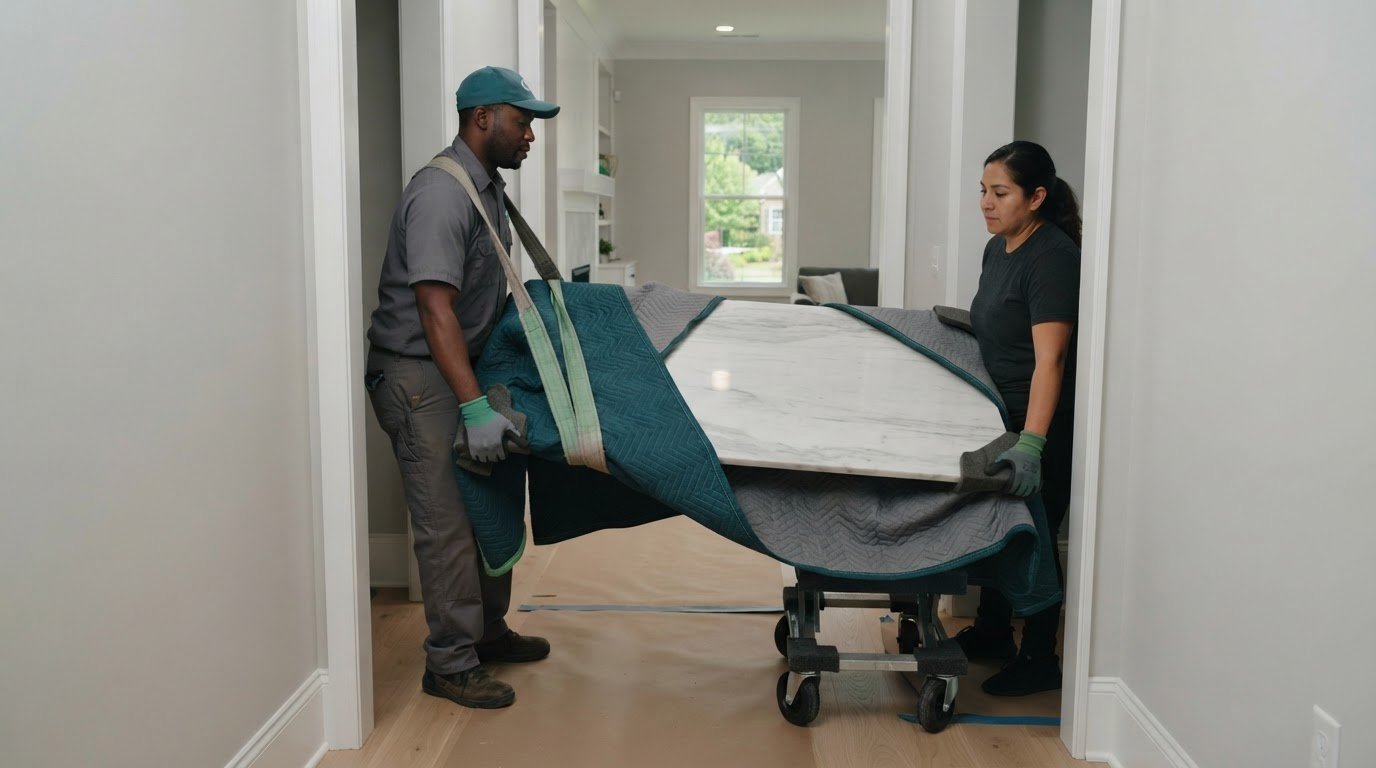
Doorways, staircases, tight turns, and elevators can affect how a large item reaches its destination. Point out these access details in the moving plan, especially for bulky sofas or dressers. If a sofa won’t fit through a standard route, sofa hoisting can address some access challenges. The approach depends on the item and the property’s layout.
A simple sequence helps keep the team aligned with the staging plan:
- Identify priority items. List what must move and what should remain untouched.
- Plan each route. Note the starting room, destination, and access obstacles.
- Shift and place. Follow the realtor’s instructions for each selected piece.
- Review placement. Let the realtor or stager assess the result and direct any final adjustment.
This is the practical role of furniture staging help for realtors South Riding: supporting the presentation plan with focused furniture-moving labor, not making design decisions. For a project involving bulky pieces or difficult access, see how furniture-moving help can support a staging project and prepare the plan that will guide the work.
Choosing staging-related furniture-moving help in South Riding
Choose moving support based on the work the property needs, not the word “staging.” A realtor may need one sofa shifted between rooms, several heavy items repositioned, or selected furnishings moved out of the way. That differs from packing and transporting an entire household. The right service depends on the physical task, not the staging label.
For a focused project, in-home moving help keeps the job centered on lifting and placement inside the property. If items need to travel elsewhere, include loading or transport in the plan. Define the scope early so it reflects what needs to happen, rather than assuming every staging project requires a complete relocation.
Match the service to the work, not the whole move
List each item and where it needs to go. A room-to-room shift, a move to another floor, and a move out of the home are different tasks. Heavy or bulky pieces may call for specialized handling. Exercise equipment, for example, can be difficult to reposition without help. Keep the request focused on the selected items instead of adding unrelated household moving tasks.
Use this comparison to describe the job clearly:
| Factor | Focused in-home moving help | Full-service relocation |
|---|---|---|
| Task scope | Shifts selected items within the property | Typically covers a broader household move, such as packing and transport |
| Furnishings | Specific pieces named in the staging plan | Multiple household belongings moving to another destination |
| Property access | Room routes, stairs, doorways, or elevators within the home | Access at both the current property and destination, plus the travel route |
| Coordination | Placement instructions tied to the realtor’s staging schedule | Planning for the wider move and its destination |
The table is a planning guide, not a rule that every job fits neatly into one column. Some projects combine in-home shifts with transport. Specify which items stay, which move to another room, and which leave the property.
Assess the crew's fit for a South Riding property
Give the moving team a practical picture of the home before work begins. Include the South Riding address, the items involved, and the route from each starting point to its destination. Note stairs, narrow turns, elevators, or other access details that could affect how a bulky piece is handled. These details help align the work with the realtor’s schedule.
For furniture staging help for realtors South Riding, focus on handling needs and coordination rather than broad service labels. Heavy Furniture Moving provides local residential moving help in South Riding, including in-home furniture moves and sofa hoisting. Share the scope and access details so the request reflects the work the listing requires.
Prepare a South Riding staging day: realtor's furniture-moving checklist
A clear staging-day brief gives everyone a shared plan and keeps furniture moves focused. Start with the item list, destination room, priority order, and handling notes. Then map the access route and coordinate with the homeowner, stager, cleaning plan, and listing photography. Use this checklist to organize the logistics before anyone starts lifting.
Build a clear furniture placement brief
Write down each selected piece, where it is now, and where it needs to go. Note the priority of each move so the team can follow the realtor’s plan if the work needs to happen in stages. Flag unusually heavy, fragile, or oversized furnishings with relevant handling details. A photo or simple room diagram can make the intended destination easier to understand.
- List the pieces and destinations. Name each item and its current room, then specify its intended room or position. Use clear directions such as “move the dresser from the main bedroom to the back wall of the guest room.”
- Set the priority order. Identify which moves are essential to the listing plan and which can wait. This keeps the main tasks clear if access or timing changes.
- Add handling notes. Point out delicate finishes, loose components, or bulky dimensions that may affect the move. Keep notes practical and specific to the item.
- Show the placement when words aren’t enough. Mark destinations on a room diagram or share a photo with the intended position indicated. Confirm that the realtor or homeowner will approve final placement.
Prepare the home and coordinate the staging window
Before moving day, walk the planned route from each item’s starting point to its destination. Identify stairs, narrow doorways, tight turns, elevators, parking arrangements, and building instructions that could affect access. Clear boxes, rugs, cords, and other avoidable obstacles from the route. In occupied homes, coordinate entry with residents and account for the areas they need to use each day.
- Confirm access and approval. Share entry details with the homeowner and identify who can answer questions or approve a placement adjustment.
- Set the order with other preparation work. Coordinate furniture moving with cleaning and photography. Plan the shifts before the rooms are photographed, with time for the home to be camera-ready.
- Keep responsibilities distinct. The realtor or stager directs design and placement decisions. The homeowner helps coordinate access. The moving team handles the physical work. The photographer captures the finished presentation.
A written brief, clear route, and agreed staging window give the crew a manageable scope and reduce last-minute guesswork. For furniture staging help for realtors South Riding, share the item list and access details when arranging moving support with Heavy Furniture Moving. Review furniture-moving help for staging day.
Arrange furniture staging help for realtors in South Riding
Once the staging plan is set, turn it into a clear moving request. Heavy Furniture Moving provides residential furniture-moving help in South Riding for heavy and bulky pieces, in-home moves, and sofa hoisting. The team handles the physical work. You, the homeowner, or the stager directs what goes where and makes the design decisions.
A useful project brief keeps the requested work focused. Include the property address, what needs to move, where each item should go, access challenges, and target timing. If the job involves more than room-to-room shifts, describe whether pieces need loading or transport as well. Clear scope gives the team a practical picture of the work tied to your listing.
What to include when requesting moving help
Share the details that affect lifting, movement, and placement. A concise list, photos, or a simple room sketch can explain the plan and help avoid guesswork on site.
- South Riding address: Provide the property location for the requested work.
- Item list: Name each piece, its current location, and its intended destination. Flag heavy, bulky, or unusually shaped furnishings.
- Task scope: Say whether the job involves room-to-room shifts, moving items to another floor, loading, or transport.
- Access notes: Describe stairs, narrow doorways, tight turns, elevators, and the route to the items. Include relevant building instructions or parking details.
- Timing and direction: Share the target staging window and identify who will direct or approve furniture placement at the property.
For example, “Move the sectional from the living room to the den” explains the basic task. Add that the sectional needs to pass through a narrow hallway and identify who will approve its final position. If the route is difficult, include that detail in the moving brief.
Plan local support around your listing schedule
Staging work often overlaps with other property preparations. Set the moving window with the homeowner and coordinate it with cleaning and listing photography. Decide which pieces must be in place before photos, and leave staging and design choices with the realtor or stager. This keeps furniture-moving logistics separate from the visual plan.
Furniture staging help for realtors South Riding is most useful when the request describes the physical job, not just the listing goal. A complete brief helps the team prepare for the selected furnishings, access route, and timing. Heavy Furniture Moving is a veteran-family-owned and operated business serving South Riding and other Northern Virginia communities. Request furniture-moving help for your South Riding listing.
Set your staging plan in motion
Before your next listing enters the final stretch, decide which furniture moves will best support the preparation schedule. A short, specific request gives the moving team a clear starting point and keeps the staging plan in your hands. With furniture staging help for realtors South Riding, you can direct the presentation while movers take on the physical work.
For a South Riding property, prepare the address, the pieces involved, access details, and target timing. Heavy Furniture Moving provides residential moving help for heavy and bulky household furnishings. A clear plan makes the moving portion of staging day easier to organize.
Request furniture-moving help for your South Riding listing and plan the moving work around your staging priorities.
Frequently Asked Questions
Can movers help realtors with furniture staging in South Riding?
Yes. Movers can lift and reposition selected furnishings based on your instructions, while you or the stager stays in charge of design and furniture choices. For furniture staging help for realtors South Riding, identify which items should move and which must stay untouched, such as a homeowner’s everyday seating. Heavy Furniture Moving serves South Riding and communities including Fairfax, Woodbridge, Manassas, Manassas Park, Aldie, Ashburn, McLean, Vienna, Reston, Centreville, Chantilly, Clifton, Dumfries, Fairfax Station, Haymarket, and Gainesville.
Is furniture-moving help useful for an occupied home staging project?
Yes, it can help when a few pieces need to shift while the homeowner continues living in the property. Identify household essentials that need to remain available, such as a dining chair or a clear path to a frequently used room. Agree with the homeowner on which spaces the moving team can enter and who can answer placement questions. This keeps the work focused and helps limit disruption to the rest of the home.
Do furniture movers bring staging furniture to a South Riding listing?
Furniture movers handle moving tasks, not staging-furniture selection or design. If a staging plan includes furnishings already chosen for the property, provide the item details and where each piece needs to go. Make a separate list of furniture that needs to be delivered or transported so the scope is clear. This distinguishes the moving work from decisions about which furnishings suit the listing.
What details should a realtor share before scheduling furniture-moving help?
Provide the property location, a list of items, their starting points, intended destinations, and target timing. Include details that can affect access, such as stairs, narrow hallways, elevators, and parking instructions. Mention oversized furnishings or equipment that may need particular planning. If the placement plan is hard to explain in words, a marked-up photo or room sketch can show the destination and help prevent confusion on site.
Can movers reposition furniture inside a house without moving everything out?
Yes. In-home furniture-moving work can focus on selected pieces, whether they need to shift to another room, move to a different floor, or change position within the same room. For example, you might ask for a desk to be moved to a designated spare room while the rest of the household stays in place. Name each item and its destination, and identify who will approve its final position.
How far ahead should realtors plan furniture-moving help before listing photos?
Start planning as early as the listing schedule allows, especially if multiple rooms, bulky furnishings, or challenging access are involved. Share the target photography date and property access details when arranging the work, then coordinate the moving window with cleaning and other preparation tasks. Build the move into the preparation timeline so everyone can coordinate around photo day.
Frequently Asked Questions
Start with the room’s goal, not a generic design rule. If the priority is an open walkway, the realtor might direct movers to shift a bulky sofa or table away from the main path. If a listing photo needs a clearer view across a bedroom, a dresser may need to move to a designated wall. The realtor or stager decides what looks right; movers handle the physical shift. For each move, identify the item, its current location, its destination, and the reason for moving it. That clarity distinguishes planned changes from pieces that should stay put. It also helps keep occupied rooms usable and reduces unnecessary back-and-forth.
Yes. Movers can lift and reposition selected furnishings based on your instructions, while you or the stager stays in charge of design and furniture choices. For furniture staging help for realtors South Riding, identify which items should move and which must stay untouched, such as a homeowner’s everyday seating. Heavy Furniture Moving serves South Riding and communities including Fairfax, Woodbridge, Manassas, Manassas Park, Aldie, Ashburn, McLean, Vienna, Reston, Centreville, Chantilly, Clifton, Dumfries, Fairfax Station, Haymarket, and Gainesville.
Yes, it can help when a few pieces need to shift while the homeowner continues living in the property. Identify household essentials that need to remain available, such as a dining chair or a clear path to a frequently used room. Agree with the homeowner on which spaces the moving team can enter and who can answer placement questions. This keeps the work focused and helps limit disruption to the rest of the home.
Furniture movers handle moving tasks, not staging-furniture selection or design. If a staging plan includes furnishings already chosen for the property, provide the item details and where each piece needs to go. Make a separate list of furniture that needs to be delivered or transported so the scope is clear. This distinguishes the moving work from decisions about which furnishings suit the listing.
Provide the property location, a list of items, their starting points, intended destinations, and target timing. Include details that can affect access, such as stairs, narrow hallways, elevators, and parking instructions. Mention oversized furnishings or equipment that may need particular planning. If the placement plan is hard to explain in words, a marked-up photo or room sketch can show the destination and help prevent confusion on site.
Yes. In-home furniture-moving work can focus on selected pieces, whether they need to shift to another room, move to a different floor, or change position within the same room. For example, you might ask for a desk to be moved to a designated spare room while the rest of the household stays in place. Name each item and its destination, and identify who will approve its final position.
Start planning as early as the listing schedule allows, especially if multiple rooms, bulky furnishings, or challenging access are involved. Share the target photography date and property access details when arranging the work, then coordinate the moving window with cleaning and other preparation tasks. Build the move into the preparation timeline so everyone can coordinate around photo day.