Junk Removal After Move-Out in Dumfries, VA: A Practical Checklist
The moving truck is gone, but a sofa, broken shelves, and household odds and ends are still in the home. With the move-out deadline approaching, deciding what to donate, haul away, or leave for pickup can feel like one more job on an already full list. A clear plan for junk removal after move out Dumfries can help you sort those items and keep the handover on track.
Start by separating usable belongings from unwanted ones, then match each group to a practical option. The right choice depends on what’s left, how soon the space needs to be cleared, and whether you can transport bulky items yourself.
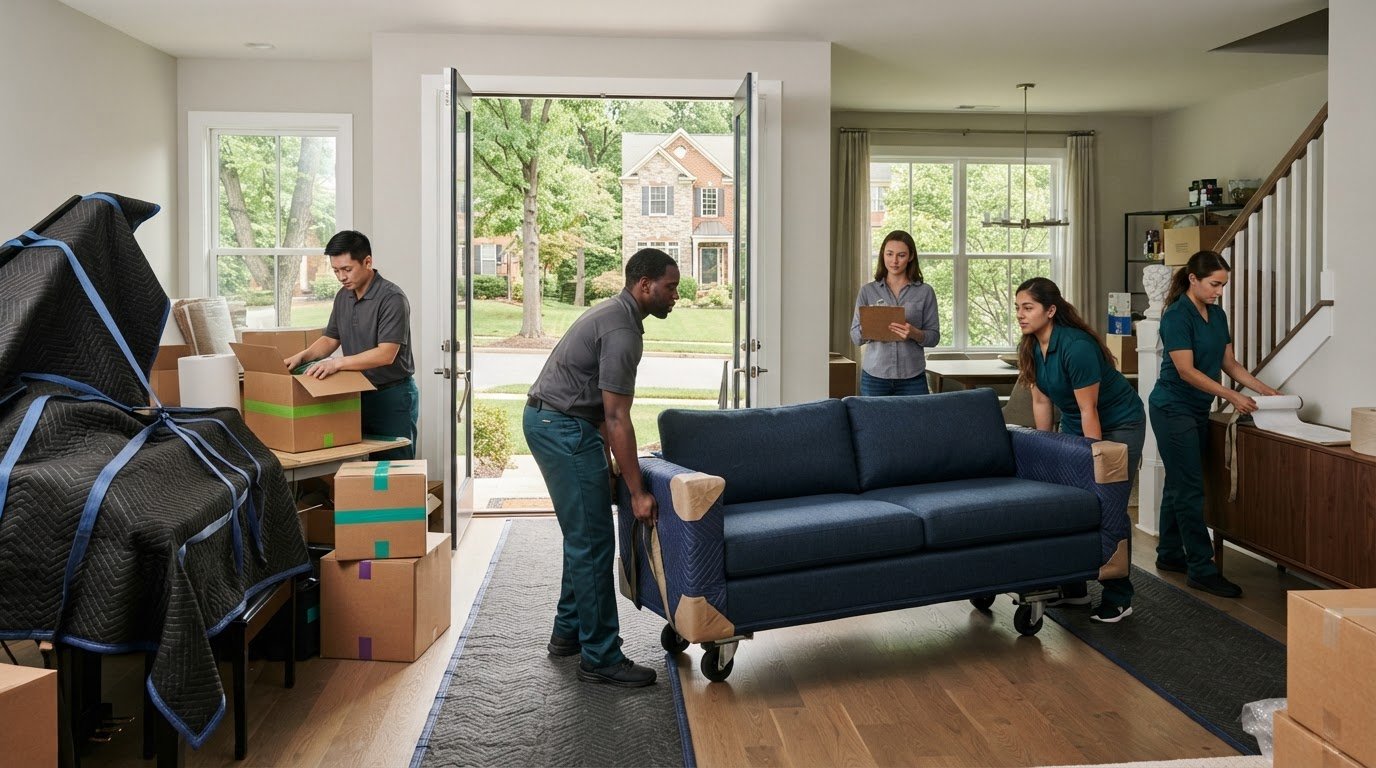
This local checklist compares donation, DIY disposal, scheduled bulk pickup, and removal support. It also covers how to organize leftover items alongside the rest of your move. When packing, moving, and clearing out overlap, residential moving support that includes junk removal can bring those tasks together.
Key Takeaways
- Use a step-by-step plan for junk removal after move out Dumfries, from inspecting the home to arranging removal.
- Photograph bulky items and note approximate quantities to make planning clearer.
- Compare hauling, donation, resale, collection, and professional removal by effort, item type, and timing.
- Prepare access, parking, and clear instructions about belongings that must stay to help avoid move-out delays.
- Coordinate leftover-item removal with the broader move, including residential support from Heavy Furniture Moving.
Moving Out in Dumfries? Start With a Clear Junk Removal Plan
The move is underway, boxes are headed out, and your attention is split between transport, paperwork, and the final handover. Then you notice an old bookcase, a worn-out appliance, and odds and ends that won’t fit in the new place. Move-out junk removal means clearing unwanted belongings after deciding what will travel, stay, or go. Give each item a destination before the deadline gets close.
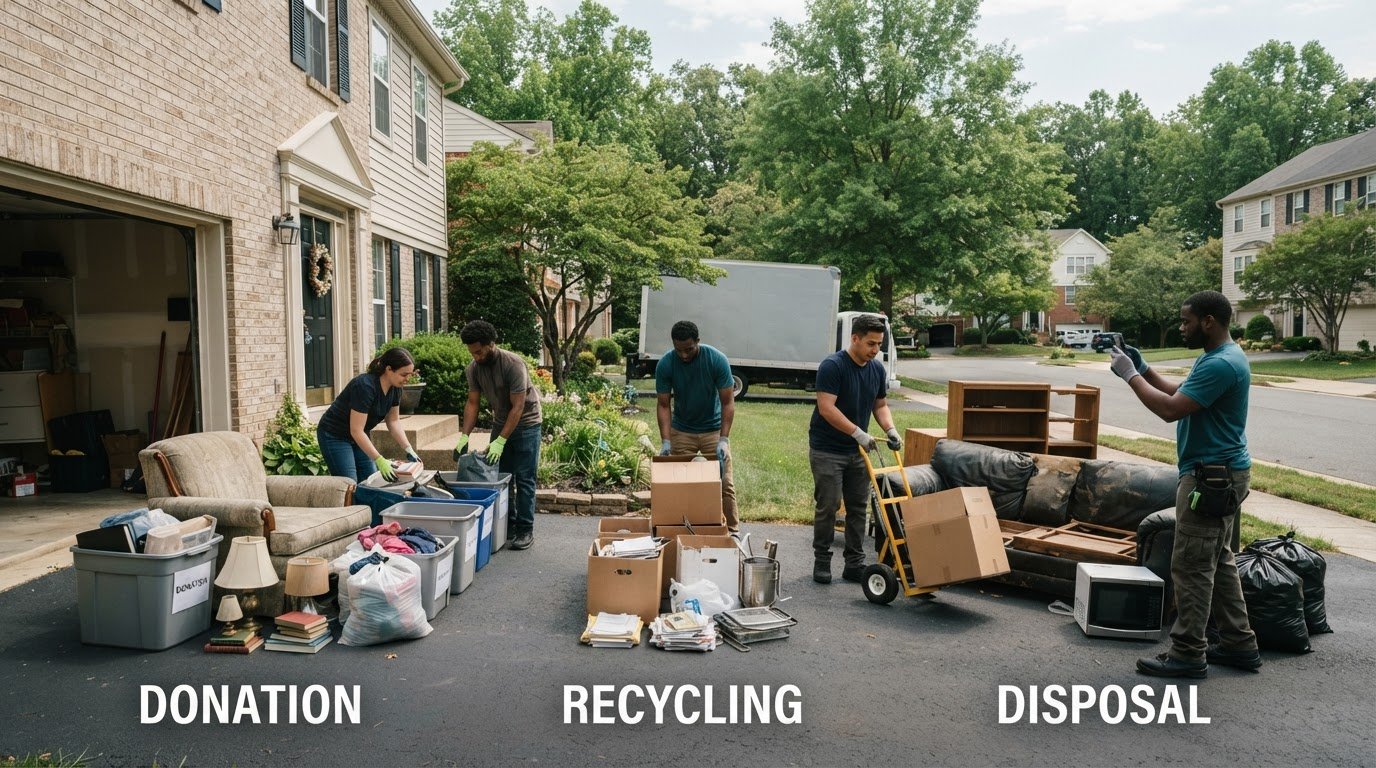
An item-by-item plan shows what must leave, what needs another destination, and what should stay put. Walk through every room, closet, storage area, and outdoor space. Sort belongings into move, donate, sell, recycle, or remove groups. Label each group clearly so family members and helpers don’t mistake something you’re keeping for an item to haul away.
For junk removal after move out Dumfries, plan each item’s route as carefully as its destination. A usable table might be donated or sold, while a damaged one may need a different removal option. The waste management practices overview describes how collection, transport, treatment, and disposal fit together. Your first step is to sort items so each can follow an appropriate route. Before taking items to a facility or setting them out for collection, review current Dumfries or Prince William County instructions. Rules can depend on the material and service.
Which belongings should leave before the final walk-through?
Separate what’s moving with you from items to donate, sell, recycle, or remove. Give bulky furniture and appliances extra attention because they may need a planned exit route, clear access, or help with lifting. Keep essentials, documents, chargers, cleaning supplies, and move-day tools in a separate, clearly marked area. This helps prevent useful belongings from ending up in the removal pile during a rushed cleanout.
When an item’s status isn’t obvious, decide before removal day. Consider whether it’s in usable condition, whether you have time to arrange a new home for it, and whether it can be transported safely. If donation or resale won’t work within your timeline, put it in the removal group and note any handling or access needs. Heavy Furniture Moving includes junk removal as part of its residential moving support, helping coordinate leftover items within the broader home transition.
Why timing matters during a Dumfries move-out
Work backward from your key handover, lease end, or closing date. Leave time for sorting, donation coordination, and removal arrangements instead of making the final day your first planning day. Building rules, elevator access, parking, and pickup windows can all affect when items can leave. Note any restrictions and plan around them.
Make a short timeline with clear decision points: when sorting must be finished, when donation or resale plans need to be settled, and when unwanted items should be cleared. If an item can’t be donated or collected within your available window, choose another suitable route early. That way, a delayed pickup is less likely to hold up the rest of the move-out.
How to Organize Move-Out Junk Removal in Dumfries
Preparation makes the removal plan easier to explain and carry out. Walk through the property before setting a pickup or hauling date. Note what needs to go, what may be donated, and what needs special handling. For junk removal after move out Dumfries, an itemized list and clear access details help shape a plan around the actual property.
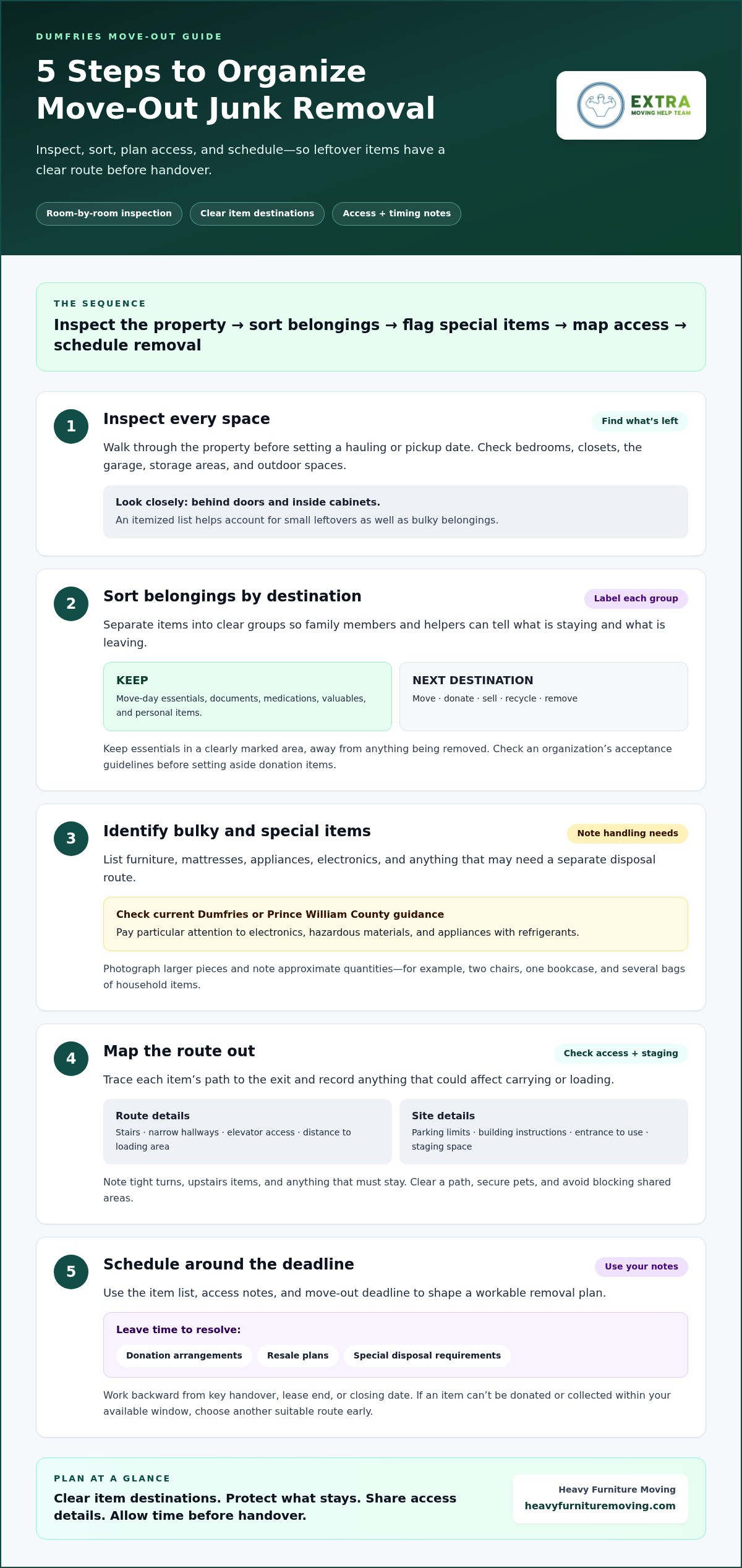
Inspect each room, sort belongings, flag special items, map the access route, then schedule removal.
- Inspect. Check bedrooms, closets, the garage, storage areas, and outdoor spaces. Look behind doors and inside cabinets so small leftovers don’t get missed.
- Sort. Separate usable belongings from damaged or unwanted items. Keep move-day essentials, documents, medications, valuables, and personal items in a clearly marked area away from anything being removed.
- Identify special items. List bulky furniture, mattresses, appliances, electronics, and anything that may need a separate disposal route. Check current Dumfries or Prince William County guidance for collection and disposal instructions, especially for electronics, hazardous materials, and appliances with refrigerants.
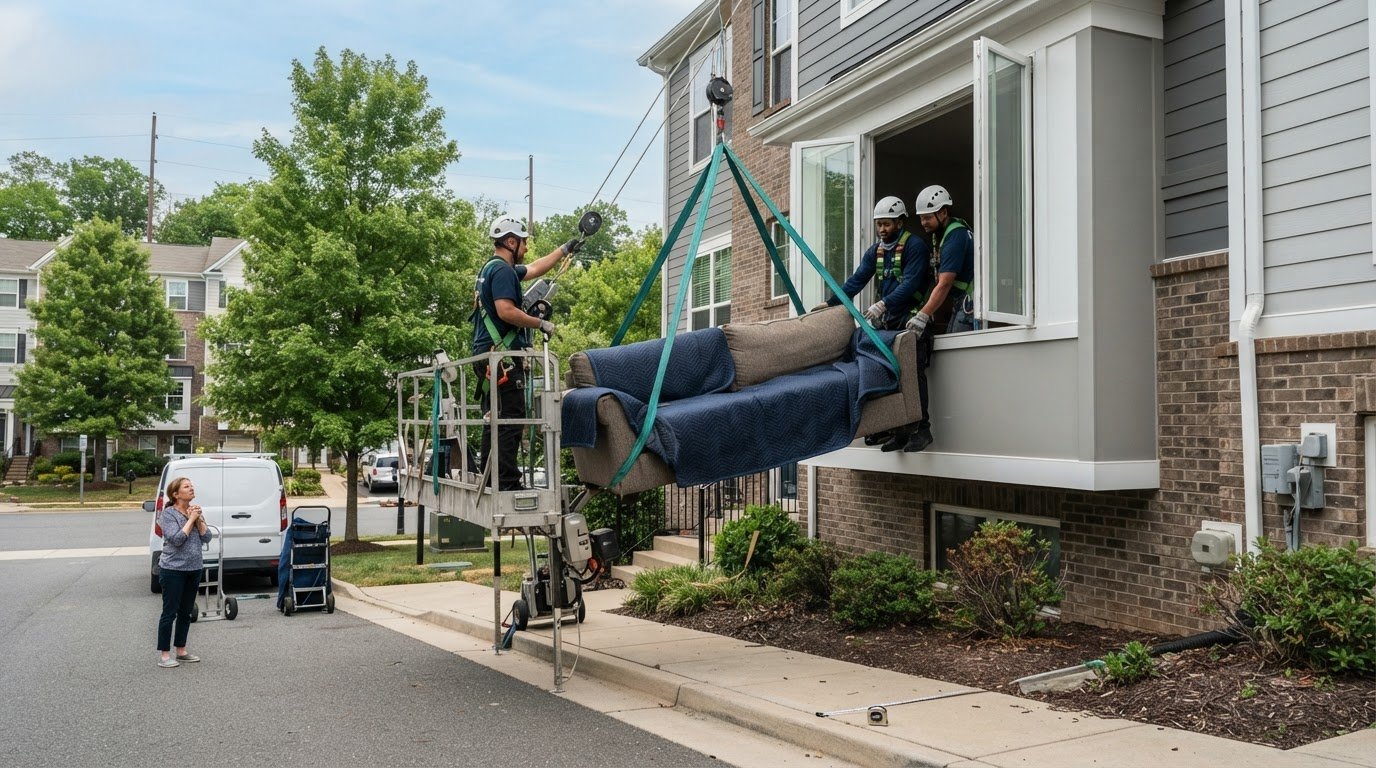
- Plan access. Check the route from each item to the exit. Note stairs, narrow hallways, elevator access, parking limits, and the distance to the loading area.
- Schedule removal. Use your item list, access notes, and move-out deadline to set a workable plan. Leave time to resolve donation arrangements or special disposal requirements.
Sort household items before arranging pickup
Group items by their next step: keep, donate, sell, recycle, or remove. Check an organization’s acceptance guidelines before setting aside furniture or household goods for donation. Condition and item type can affect what it accepts. Photograph larger pieces and note approximate quantities, such as two chairs, one bookcase, and several bags of household items. These details clarify the scope when coordinating removal.
Prepare large items and the Dumfries property
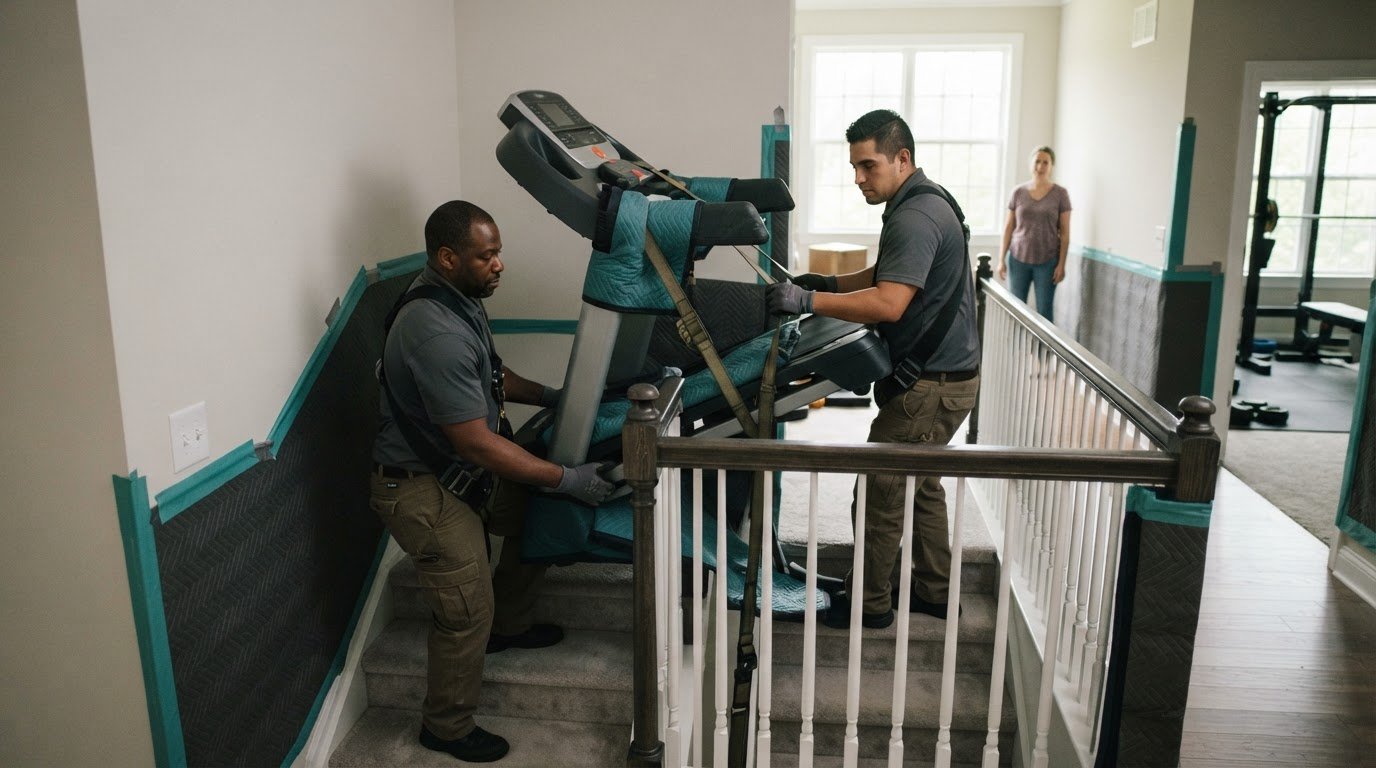
Give large items their own notes. Record whether a sofa needs to pass through a tight turn, whether a mattress is upstairs, or whether an appliance is still connected. Don’t disconnect or move equipment unless it’s safe and appropriate for you to do so. Clear a path, secure pets, and point out anything that must remain. These steps reduce mix-ups and help everyone prepare for the physical work.
Access can change the plan. An elevator may need to be reserved, a narrow hallway may limit what can be carried out intact, and restricted parking can affect loading. Note the entrance to use, any building instructions, and a suitable place to stage items without blocking shared areas. Residential moving and junk removal support can bring leftover-item planning together with the rest of a home transition.
Compare Move-Out Removal Options in Dumfries
There isn’t one right way to clear every home. A clean chair in good condition may suit donation, while broken furniture or a mixed pile of unwanted items may need another route. Compare each option by the effort involved, the items it can handle, and the scheduling it requires. For junk removal after move out Dumfries, matching the method to the item and your deadline makes the cleanout more manageable.
| Option | Effort | Best suited for | Coordination and timing |
|---|---|---|---|
| DIY hauling | Higher. You arrange transport, lifting, and unloading. | Items you can move safely and take to an appropriate disposal site. | Plan a vehicle, loading help, and a trip that fits the facility’s hours and rules. |
| Donation or resale | Moderate. Items may need cleaning, photos, listing, or transport. | Usable belongings that meet an organization’s acceptance guidelines or interest a buyer. | Arrange drop-off, pickup, or a sale around the move-out deadline. |
| Local collection | Lower for items accepted through an existing collection service. | Items covered by the service’s rules, such as eligible household waste or scheduled bulk items. | Check accepted materials, pickup schedules, and advance booking requirements. |
| Professional removal | Less physical work for you, with removal arranged as part of a broader plan. | Multiple unwanted household items, including bulky pieces that are difficult to handle alone. | Share the item list, access details, and deadline to coordinate the work. |
When donation, resale, or self-hauling may fit
Choose donation or resale when belongings are clean, usable, and accepted by the organization or buyer. Check acceptance guidelines before setting items aside, since condition and item type can affect whether they’ll be taken. Self-hauling may suit a smaller load if you have a suitable vehicle and help with lifting. You’ll also need to plan transport and confirm where each item can be disposed of.
Local collection can be convenient, but not every item qualifies, and pickup may not match your move-out date. Schedules, bulk-item rules, and disposal requirements vary. Review details with the relevant collection service or local authority before relying on this option, especially for appliances, electronics, or items that may require special handling.
When professional junk removal can simplify the move
Professional removal can make sense when several unwanted items need to leave together, the load includes heavy pieces, or you’re short on time and lifting help. It reduces the hauling and coordination you need to manage. Heavy Furniture Moving includes junk removal within residential moving support, making it a practical way to coordinate leftover items during a larger home transition.
Some households use more than one route: donate usable furniture, set aside eligible items for local collection, and arrange removal for the rest. Choose based on the condition and quantity of belongings, access at the property, and time remaining before handover. A mixed plan can be more workable than expecting one method to handle everything.
Dumfries Move-Out Junk Removal Checklist: Avoid Last-Minute Delays
A cleanout can stall over small details: a pickup needs more space, a bulky item won’t fit through the doorway, or a box marked for moving gets mistaken for junk. Build your checklist around the handover date, then make the item list and access plan easy for everyone involved to follow.
One week before removal, confirm items and access; the day before, clear paths and review instructions; on removal day, check every room and protect the handover timeline.
One week before: confirm items and access
- Finalize the item count. List what’s leaving by room, including bulky furniture, appliances, mattresses, and bags or boxes. Add approximate quantities and photos of large or awkward items to give a clear picture of the job.
- Mark the removal pile. Use clear labels or a separate staging area. Keep it apart from moving boxes, donations, and belongings that must stay. Tell everyone in the household which items are off-limits.
- Measure tight spots. Check narrow doorways, stair turns, and hallways if large pieces need to pass through them. Note anything that may affect the exit route.
- Plan access and parking. Record the entrance to use, elevator or building instructions, parking arrangements, and the path from the items to the loading area. Share timing needs and access details when arranging removal.
- Check special-item guidance. Verify current Dumfries or Prince William County instructions for restricted or unusual items with the relevant authority. Don’t assume a regular pickup or disposal route accepts every item.
The day before: prepare the property
Walk the removal route and move boxes, rugs, and loose belongings out of the way. Keep entryways, stairs, and work areas open. Put essential documents, medication, valuables, and move-day supplies somewhere secure and separate. Review the item list with anyone helping, and make sure “keep” and “remove” labels are easy to distinguish. If parking or building access has changed, update the people involved before the planned arrival window.
Removal day: protect the handover timeline
Be ready to point out the items that should leave and identify anything staying behind. Keep pets and household members clear of active work areas, and avoid blocking shared hallways or entrances. Before the last items go, check that no moving boxes, personal belongings, or cleaning supplies are mixed into the removal group.
Finish with a room-by-room check. Look in closets, cabinets, storage spaces, and behind doors. Confirm the property meets the requirements for your final inspection or key handover, and leave time to address anything overlooked. A clear list and access plan make junk removal after move out Dumfries easier to coordinate with the rest of your move.
Junk removal support from Heavy Furniture Moving can be part of your residential moving plan.
Arrange Junk Removal After Your Dumfries Move-Out
A practical removal plan starts with three details: what needs to go, how crews can reach it, and when the property must be cleared. A sorted item list defines the work. Access notes flag stairs, narrow hallways, elevators, or parking limits. Your handover date sets the timeline. Put those details together before arranging help, and you’ll have a clearer plan for junk removal after move out Dumfries.
What to share when arranging move-out help
Prepare a short, accurate picture of the job. Include the property location, move-out deadline, and an approximate item list. Identify bulky pieces such as sofas, beds, or appliances, and describe any stairs, tight turns, narrow access, elevator instructions, or parking considerations. Clear notes help everyone prepare for the property’s layout and the work involved.
Be just as clear about what must remain. Keep those belongings in a separate area, label them, and point them out before removal begins. Flag items that need a separate plan, such as something intended for donation or an item with special disposal requirements. If your list changes, update it so the removal plan reflects what’s actually left.
- Property and timing: Share the location and the date the home needs to be cleared.
- Items: Describe the types and approximate quantities of belongings to remove.
- Access: Note stairs, elevators, narrow passages, entrances, and parking arrangements.
- Keep-outs: Identify belongings that should stay untouched or be handled separately.
Make the transition easier with coordinated moving support
Junk removal can be one part of a larger residential transition. Packing and unpacking, moving belongings, and clearing items left behind often overlap. Coordinating these tasks can reduce the number of separate details you need to manage during the handover. Heavy Furniture Moving provides junk removal as part of residential moving support in Dumfries and nearby Northern Virginia communities.
That support can help after the main move, when unwanted furniture or household items remain and the deadline is still in view. A sorted list, access details, and timing needs help shape a plan around the actual cleanout. Keep disposal instructions for unusual or restricted items in mind, and use the appropriate local guidance for those materials.
Heavy Furniture Moving serves Dumfries and nearby communities across Fairfax, Woodbridge, Manassas, Manassas Park, Aldie, Ashburn, McLean, Vienna, Reston, Centreville, Chantilly, Clifton, South Riding, Fairfax Station, Haymarket, and Gainesville. Learn about coordinated moving and junk removal support.
Make Room for Your Next Chapter
The last items in a home can feel like a small loose end, but clearing them gives you one less task competing for attention during a move. Treat the cleanout as part of the transition, not an afterthought. Once you know what needs to leave and when the property must be ready, choose a next step that fits your schedule and the kind of help you need.
For junk removal after move out Dumfries, Heavy Furniture Moving can coordinate removal as part of residential moving support. The veteran-family owned and operated team serves Dumfries and nearby Northern Virginia communities, helping make leftover-item planning part of the broader move.
Take the next step with a clear plan and local support. Plan your Dumfries move-out with Heavy Furniture Moving.
Frequently Asked Questions
What items can junk removal take after a move-out?
Junk removal may cover unwanted household belongings such as furniture, mattresses, boxes, and some appliances, depending on the removal plan and disposal requirements. Separate items that need special handling, including electronics, hazardous materials, and appliances containing refrigerants. Don’t put these in a regular trash pile without checking current local instructions. An itemized list helps distinguish ordinary household leftovers from items that need another route.
Can I donate furniture instead of using junk removal in Dumfries?
Yes. Donation can be a good choice for clean, usable furniture that an organization accepts. Check its current rules for condition, item types, and pickup or drop-off arrangements before relying on donation to meet your move-out deadline. For example, a sturdy dining table may be suitable, while a damaged or stained one may not be accepted. You can donate eligible pieces and arrange another route for the rest.
How far ahead should I arrange move-out junk removal?
Start planning as soon as you know the move-out or handover date, especially if bulky items, building access rules, or a narrow pickup window are involved. The right lead time depends on the amount to remove and the options you choose. Donation pickup, local collection, and removal arrangements can each have different schedules. Keep a fallback plan for items that remain if one route doesn’t fit your deadline.
Do I need to be present during junk removal?
Whether you need to be there depends on the removal arrangement, property access, and instructions for the items. If you can’t attend, plan how authorized access will be provided and make sure the removal pile is unmistakable. Leave written directions for anything that must stay, such as a lamp beside a kept sofa. Avoid leaving keys or access codes in an unsecured location.
Can movers remove unwanted furniture after a move?
Yes, Heavy Furniture Moving includes junk removal in its residential moving support, so unwanted furniture can be part of a broader home-transition plan. This can help if a dresser or dining set is left behind after the main belongings have been moved. Share which pieces should go and which must remain. The service supports residential moves in Dumfries and nearby Northern Virginia communities.
What should I do with items that cannot go in regular trash?
Keep restricted or unusual items separate until you identify the appropriate local route. In Prince William County, household hazardous waste and electronics have designated collection hours at the landfill on Wednesdays and Saturdays, 8 a.m. to 4 p.m., according to the county information available in October 2026. Check current county guidance before traveling, since these items aren’t accepted in the main landfill area.
How do I prepare an apartment or house for junk removal?
Make the removal area easy to identify and keep it separate from packed belongings. Clear a path from the items to the exit, including shared hallways, and follow any building rules for elevators or loading areas. In an apartment, tell the property manager about planned access or parking needs if required. In a house, check garages and storage spaces so small leftovers aren’t missed during the final sweep.
Frequently Asked Questions
Separate what’s moving with you from items to donate, sell, recycle, or remove. Give bulky furniture and appliances extra attention because they may need a planned exit route, clear access, or help with lifting. Keep essentials, documents, chargers, cleaning supplies, and move-day tools in a separate, clearly marked area. This helps prevent useful belongings from ending up in the removal pile during a rushed cleanout. When an item’s status isn’t obvious, decide before removal day. Consider whether it’s in usable condition, whether you have time to arrange a new home for it, and whether it can be transported safely. If donation or resale won’t work within your timeline, put it in the removal group and note any handling or access needs. Heavy Furniture Moving includes junk removal as part of its residential moving support, helping coordinate leftover items within the broader home transition.
Junk removal may cover unwanted household belongings such as furniture, mattresses, boxes, and some appliances, depending on the removal plan and disposal requirements. Separate items that need special handling, including electronics, hazardous materials, and appliances containing refrigerants. Don’t put these in a regular trash pile without checking current local instructions. An itemized list helps distinguish ordinary household leftovers from items that need another route.
Yes. Donation can be a good choice for clean, usable furniture that an organization accepts. Check its current rules for condition, item types, and pickup or drop-off arrangements before relying on donation to meet your move-out deadline. For example, a sturdy dining table may be suitable, while a damaged or stained one may not be accepted. You can donate eligible pieces and arrange another route for the rest.
Start planning as soon as you know the move-out or handover date, especially if bulky items, building access rules, or a narrow pickup window are involved. The right lead time depends on the amount to remove and the options you choose. Donation pickup, local collection, and removal arrangements can each have different schedules. Keep a fallback plan for items that remain if one route doesn’t fit your deadline.
Whether you need to be there depends on the removal arrangement, property access, and instructions for the items. If you can’t attend, plan how authorized access will be provided and make sure the removal pile is unmistakable. Leave written directions for anything that must stay, such as a lamp beside a kept sofa. Avoid leaving keys or access codes in an unsecured location.
Yes, Heavy Furniture Moving includes junk removal in its residential moving support, so unwanted furniture can be part of a broader home-transition plan. This can help if a dresser or dining set is left behind after the main belongings have been moved. Share which pieces should go and which must remain. The service supports residential moves in Dumfries and nearby Northern Virginia communities.
Keep restricted or unusual items separate until you identify the appropriate local route. In Prince William County, household hazardous waste and electronics have designated collection hours at the landfill on Wednesdays and Saturdays, 8 a.m. to 4 p.m., according to the county information available in October 2026. Check current county guidance before traveling, since these items aren’t accepted in the main landfill area.
Make the removal area easy to identify and keep it separate from packed belongings. Clear a path from the items to the exit, including shared hallways, and follow any building rules for elevators or loading areas. In an apartment, tell the property manager about planned access or parking needs if required. In a house, check garages and storage spaces so small leftovers aren’t missed during the final sweep.