Furniture Donation Pickup and Hauling in South Riding, VA
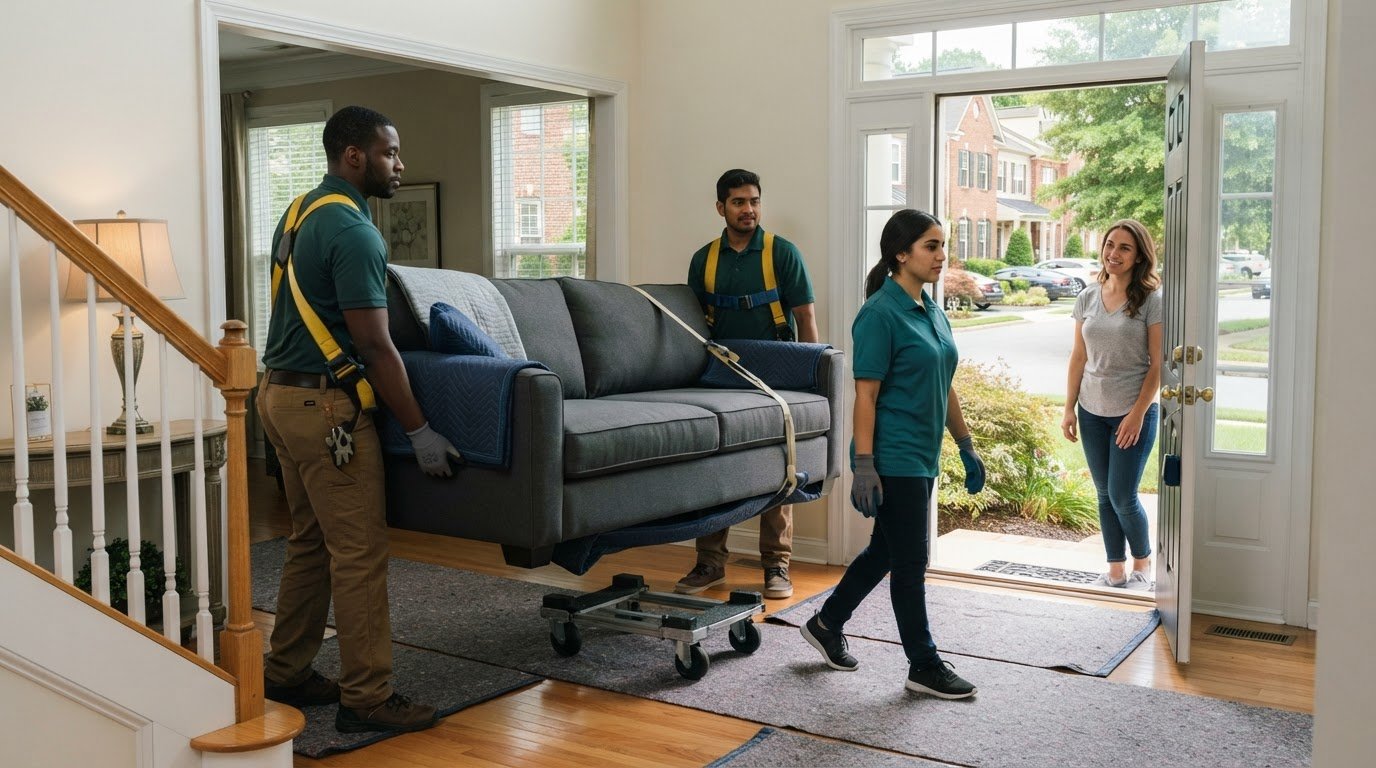
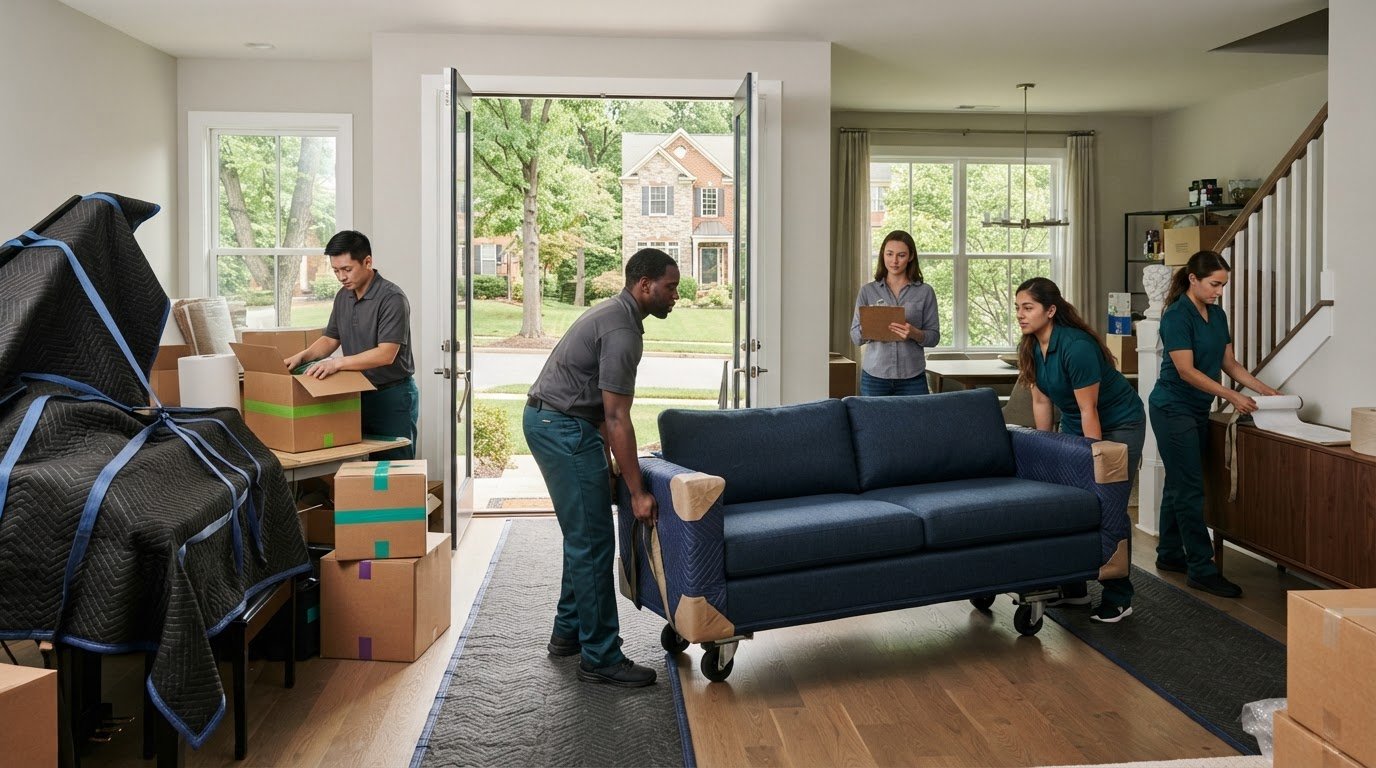
A sofa can be ready to donate and still be the hardest part of a cleanout. Planning furniture donation pickup and hauling South Riding residents can manage starts with two practical questions: what will the recipient accept, and how will you move the furniture safely? Stairs, tight hallways, parking, and community rules can all affect the plan.
Donation organizations set their own acceptance rules and pickup arrangements. Moving bulky furniture is a separate task, and heavy lifting can be difficult to handle alone. Professional furniture-moving support can help with the lifting and movement, while junk-removal support can help clear items that are not going for donation.
This guide explains how to sort donation candidates from items for removal, prepare furniture, and plan around access and hauling logistics in South Riding. You’ll learn how to keep recipient arrangements separate from the physical work, so you can make a clear plan for each piece.
Key Takeaways
- Choose a destination first, then review the recipient’s current rules before sorting furniture by condition and acceptance requirements.
- Compare self-drop-off, lifting assistance, and removal based on the item, your vehicle, available help, and intended destination.
- Prepare item details, clear the route, plan parking, and review building or HOA access rules where applicable.
- Plan furniture donation pickup and hauling South Riding by separating the recipient’s decision from the lifting and transport work.
- Heavy Furniture Moving provides residential moving and junk-removal support to help manage bulky furniture during a home transition.
Furniture Donation Pickup and Hauling in South Riding: Start With the Destination
A usable sofa can still be difficult to move. It may be too heavy to lift safely, too wide for a hallway, or awkward to fit in a vehicle. Before pulling it away from the wall, decide where it needs to go. The destination affects how to prepare the furniture and what kind of lifting and transport help you’ll need.
Donation and junk removal can both clear bulky furniture from a home, but they are different plans. Donation starts with a potential recipient and its current acceptance rules. Junk removal is for items you’re clearing out rather than offering for donation. Don’t assume a recipient will accept an item simply because it is still in usable condition.
What does furniture donation pickup and hauling involve?
Furniture donation pickup and hauling involves choosing a potential recipient, reviewing its current acceptance rules, preparing the furniture, and arranging a way to move it toward its intended destination. The lifting and hauling are logistical tasks; the recipient makes the donation decision. A Furniture Bank, for example, collects and redistributes furniture to support community needs, but each organization determines what it can accept.
Keep those roles separate as you plan. A moving team can help with heavy-item lifting and local furniture movement. The receiving organization decides whether a particular piece fits its needs. This distinction matters when furniture is large, upholstered, or difficult to inspect before moving.
When does donation pickup make sense in South Riding?
Donation planning can help during a move, downsizing, a room clear-out, or the replacement of a large household item. Sofas, dining tables, dressers, and bed frames can be difficult to maneuver through doorways or down stairs. In South Riding and nearby communities, planning the route out of the home can be just as important as choosing the furniture’s next destination.
Start by separating the pieces you hope to donate from those you simply want removed. Review the recipient’s current rules before carrying anything outside or arranging a handoff. Requirements can change, and a piece that looks usable to you may not match what the organization can receive. Note each item’s condition, size, and any missing parts so you can describe it accurately.
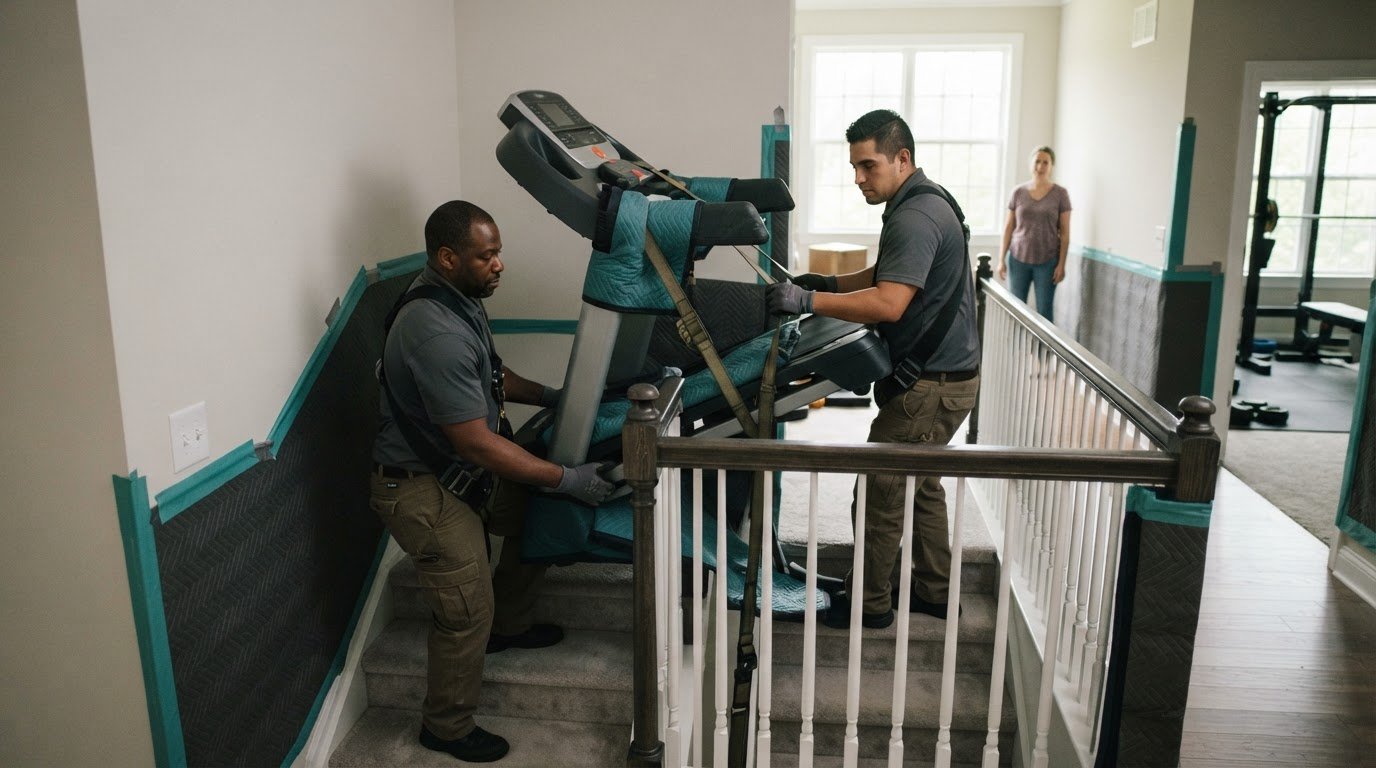
Then assess the route. A dresser may need its drawers secured before it can be carried; a sofa may need careful maneuvering through a narrow entry. Stairs, shared hallways, elevators, parking, and community access rules can add steps. Professional heavy-item handling can reduce the strain of moving bulky furniture. For pieces that aren’t donation-ready, junk-removal support can help clear the space. Set the destination first, then plan the safest practical way to move each item.
Which Furniture Is Donation-Ready? Sort and Prepare Items Before Pickup
A quick sort can prevent a wasted trip or a difficult pickup that leaves the furniture in your home. Acceptance rules vary by recipient and can change, so review the organization’s current requirements before moving a piece or arranging transport. Condition can help you decide what to ask about, but it can’t guarantee acceptance.
How should you sort furniture before a South Riding pickup?
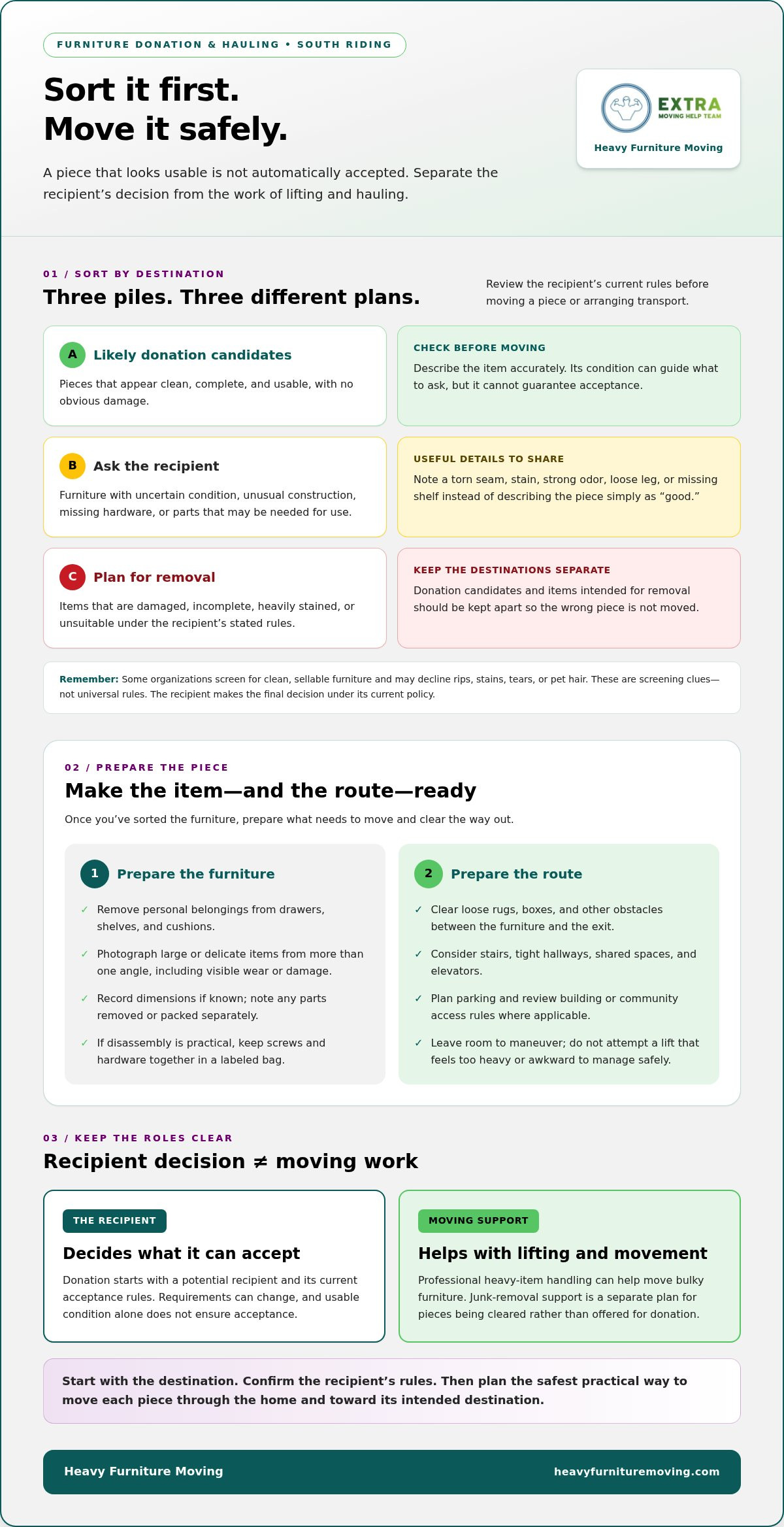
Make three groups: likely donation candidates, items that need recipient approval, and pieces for another removal plan. Assess condition, completeness, cleanliness, and whether each item can be moved safely. Common bulky pieces to review include sofas, dining tables, dressers, and bed frames. The item’s category alone doesn’t determine whether a recipient will accept it.
- Donation candidates: Pieces that appear clean, complete, and usable, with no obvious damage.
- Ask the recipient: Furniture with uncertain condition, unusual construction, missing hardware, or parts that may be required for use.
- Plan for removal: Items that are damaged, incomplete, heavily stained, or otherwise unsuitable under the recipient’s stated rules.
Describe what you see. Note a torn seam, strong odor, stain, loose leg, or missing shelf rather than calling a piece simply “good.” Some organizations screen for clean, sellable furniture and may decline items with rips, stains, tears, or pet hair. Treat these as screening clues, not universal rules. The recipient makes the final decision under its current policy.
How can you prepare furniture for safe hauling?
Once you’ve sorted the pieces, prepare each item and its route. Remove personal belongings from drawers, shelves, and cushions. Clear loose rugs, boxes, and other obstacles between the furniture and the exit. If disassembly is practical, keep screws and hardware together in a labeled bag.
- Photograph large or delicate items from more than one angle, including visible wear or damage.
- Record dimensions if you know them, and note parts that have been removed or packed separately.
- Keep donation candidates apart from items intended for removal so the wrong piece isn’t moved.
- Leave room to maneuver, and don’t attempt a lift that feels too heavy or awkward to manage safely.
Clear details help with planning the handling work without confusing it with the donation decision. If you’re considering a tax-related benefit, review the IRS guidelines on furniture donation tax deductions; eligibility and valuation depend on applicable rules, not on the hauling itself.
For bulky pieces that need careful handling, professional furniture moving support can help with lifting and movement while you manage recipient arrangements separately. A careful sort and clear route make furniture donation pickup and hauling South Riding easier to plan, while leaving the acceptance decision with the organization receiving the item.
Donation Drop-Off vs. Pickup and Hauling: Choose the Right South Riding Plan
The right plan depends on the furniture’s size, the route out of your home, and who will handle transport. Self-drop-off can work for a manageable piece if you have a suitable vehicle and enough lifting help. For oversized furniture, stairs, or a long carry, professional moving support can take much of the physical work off your hands. The recipient sets acceptance and drop-off rules; a moving service helps handle the furniture.
| Plan | Household effort | Destination |
|---|---|---|
| Self-drop-off | Higher: arrange a suitable vehicle, lifting help, and the trip. | A recipient’s approved drop-off location. |
| Pickup and lifting assistance | Less physical work at home; coordinate the intended destination separately. | The destination you arrange with the recipient. |
| Removal | Moving support helps clear furniture from the home. | Removal rather than a promised donation destination. |
When is self-drop-off a practical choice?
Self-drop-off may suit a manageable item if you have a vehicle that can carry it securely and enough help to load and unload. Before setting out, confirm the recipient’s current accepted-item rules, receiving hours, location, and drop-off instructions. A general donation policy or listed location doesn’t necessarily mean every item can be received there.
Think through the whole trip, not just the drive. Will the furniture fit through your home’s exit and into the vehicle? Can it be secured for transport? Will someone be available to help lift at both ends? If any answer is no, a do-it-yourself drop-off may take more effort than expected. Don’t risk carrying a piece that’s too heavy or awkward to manage safely.
When can professional furniture hauling reduce the workload?
Pickup and lifting assistance can make more sense for a bulky sofa, heavy dresser, or piece that must travel down stairs or along a long hallway. Tight turns, limited parking, and shared entrances can add work before the item reaches a vehicle. Residential movers can help with heavy lifting and furniture transport, while you manage the recipient’s acceptance decision and destination arrangements separately.
That separation is important. Moving help doesn’t guarantee that a donation organization will accept an item, and a hauling arrangement is not the same as a charity’s pickup or delivery service. Decide whether the furniture is headed to an approved recipient or is being removed, then plan transport accordingly. For heavy pieces that make self-drop-off difficult, get help with heavy furniture moving and reduce the strain of managing the lift alone.
Choose the furniture donation pickup and hauling South Riding plan that fits the job: self-drop-off for manageable items and suitable transport, or professional lifting support when size, stairs, or access make moving the piece yourself impractical. Keep the receiving organization’s rules separate from the hauling work.
Prepare Your South Riding Home for Furniture Pickup and Hauling
A smooth furniture pickup starts with clear information and a workable path out of the home. A sofa in a ground-floor room has different access needs from a dresser at the top of a narrow stairway. Share practical details before moving day, then clear the route and keep donation instructions easy to find. This preparation helps avoid surprises without assuming every South Riding property has the same parking or access rules.
What information helps plan a furniture pickup?
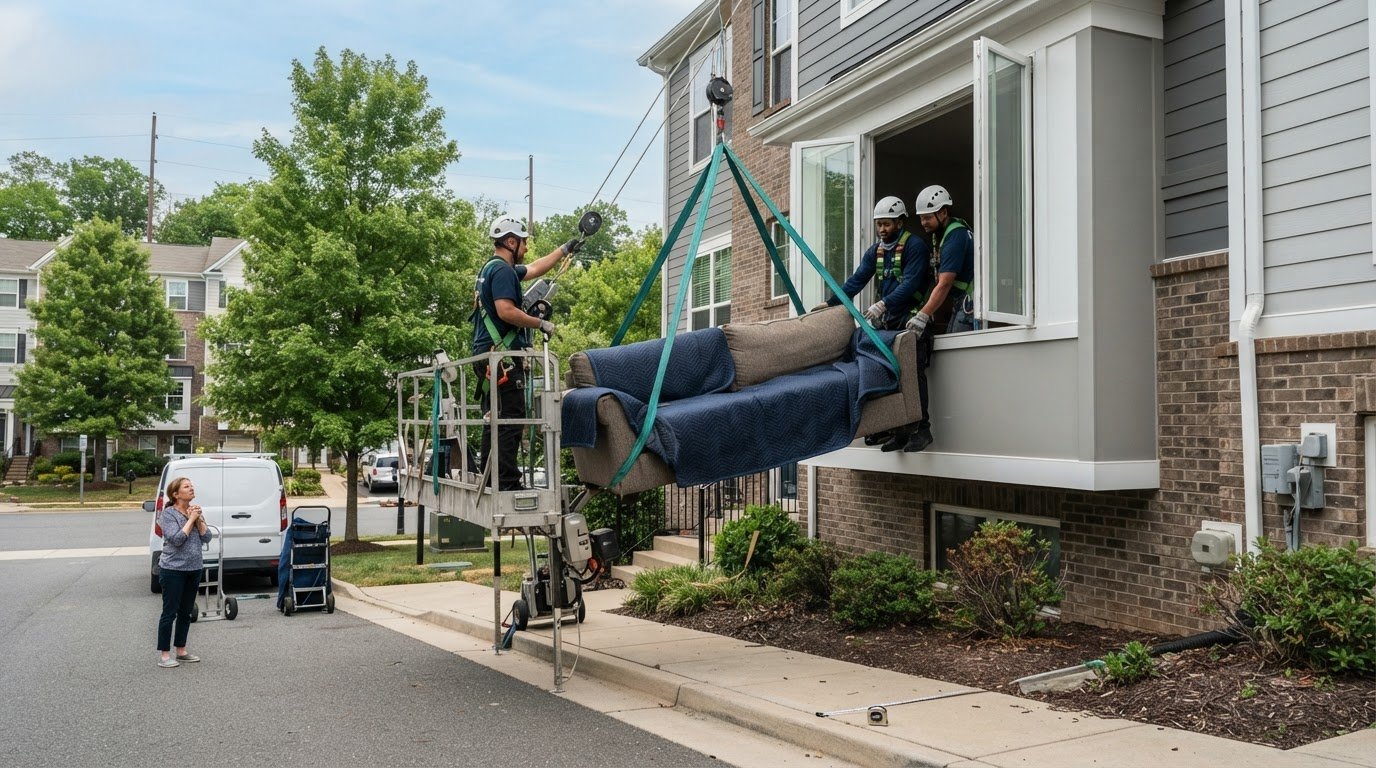
Build a short item-and-access list. Note each piece’s type, approximate dimensions, quantity, condition, and floor location. Describe the route from the room to the loading area, including stairs, narrow hallways, elevators, doorways, and the distance to a driveway or parking area. For a townhome or apartment, include relevant entry details and shared access points.
- Record the furniture: List each item and estimate its size. Mention visible damage or parts that have been removed.
- Map the route: Note the room and floor, tight turns, stairs or elevator access, and the path to the exit.
- Describe the property: Share useful driveway, parking, entry, or loading-area information. Don’t assume a truck can stop directly outside.
- Coordinate access: If you live in a managed building or a community with an HOA, ask about applicable move or pickup procedures in advance. Rules vary by property, so follow the instructions that apply to your home.
- Keep plans distinct: Store the recipient’s acceptance instructions and donation paperwork separately from your lifting and hauling arrangements.
Specific details matter. “Second-floor apartment” doesn’t explain whether there’s an elevator or a long walk from the entrance. “Driveway available” may not show where a vehicle can safely load. Clear notes help the moving team understand the job and help you identify access questions before the furniture is in motion. Keep any recipient handoff instructions available, but separate them from the hauling plan.
What should be ready on pickup day?
Before the furniture is moved, clear small objects, loose rugs, and other obstructions from the carrying route. Keep doors and shared walkways clear where possible. Secure pets in a separate area, and keep children away from active lifting zones. Leave enough room around each item for safe handling, and don’t try to shift heavy furniture on your own just to speed things up.
Keep handoff instructions easy to access. If the recipient has approved an item or provided drop-off directions, store that information with your donation notes, not among general moving details. Donation paperwork and transport arrangements serve different purposes; keeping them separate helps prevent confusion about where the furniture is going and who decides whether it can be accepted.
For help moving bulky pieces through your home’s access points, arrange heavy furniture moving support and avoid handling the lift alone.
Get Heavy Furniture Pickup and Hauling Help in South Riding
You’ve identified where the furniture is intended to go, sorted donation candidates from items for removal, and noted the route out of your home. Now match the lifting and moving work to the size of the job. A heavy sofa, full bedroom set, or piece on an upper floor can be difficult to manage without help.
How Heavy Furniture Moving can help with bulky household items
Heavy Furniture Moving provides residential moving, local furniture moving, and heavy-item handling in South Riding. The company serves Fairfax, Woodbridge, Manassas, Manassas Park, Aldie, Ashburn, McLean, Vienna, Reston, Centreville, Chantilly, Clifton, Dumfries, South Riding, Fairfax Station, Haymarket, and Gainesville. Help with lifting and moving bulky pieces can support a room clear-out, downsizing project, or home transition. Heavy Furniture Moving is veteran-family owned and operated, with specialized handling for large household items. You manage the recipient’s decision and destination arrangements; moving support addresses the physical work.
Keep the plan straightforward. Donation organizations set their own acceptance rules and handoff instructions. Moving assistance helps with lifting and transport, while junk-removal support can help clear items that aren’t headed for donation. Neither type of hauling support promises that a recipient will accept an item or that furniture will be delivered to a charity.
Before arranging the work, gather a few practical details:
- Item list: Name each piece and note its condition, quantity, and approximate size.
- Access notes: Describe the floor, stairs, narrow turns, elevator access, and distance to the loading area.
- Destination plan: State whether pieces are intended for a donation handoff or removal, and keep recipient instructions separate.
- Scope of help: Note which pieces need lifting and what transport assistance you need.
Specific information helps clarify the job before furniture is moved. A ground-floor chair and a large sofa at the top of a stairway, for example, call for different handling plans. Share access or parking details that could affect the route, and keep the carrying path clear to reduce obstacles.
Take the next step for furniture hauling in South Riding
Make a short list of the furniture, flag stairs or tight access, and decide what lifting or transport help would make the work easier. If you’ve identified a donation recipient, keep its acceptance and handoff instructions as a separate part of the plan. Clear details let you focus on the heavy-item logistics without mixing them up with the recipient’s decision.
For furniture donation pickup and hauling South Riding, make a plan for each piece and the route out of your home. Request help with your furniture move.
Make Your Next Furniture Move Easier
You don’t have to tackle every item in a home at once. Choose the piece that is taking up needed space or making a room harder to use, then make a plan for that item. A manageable first step can help you decide what to handle next.
For furniture donation pickup and hauling South Riding residents can plan with less strain, keep the recipient’s decision separate from the physical moving work. Focus on the destination and home transition while getting practical support for bulky furniture that’s difficult to move alone.
Heavy Furniture Moving provides residential moving, heavy-item handling, and junk-removal services. Get help with the lifting and hauling side of your project. Request help with heavy furniture pickup and hauling and take the next step.
Frequently Asked Questions
Does furniture donation pickup guarantee that a charity will accept my items?
No. The receiving organization decides whether each item meets its current requirements, and pickup or hauling arrangements don’t change that decision. Before moving a piece, review the recipient’s latest restrictions and instructions. Describe unusual features or damage accurately. If you’re coordinating furniture donation pickup and hauling South Riding, keep recipient approval separate from plans for lifting and transport.
Can I claim a tax deduction for donated furniture?
Possibly, but arranging pickup alone doesn’t establish that a donation qualifies for a tax deduction. Keep the recipient’s records and document what you donated and when. Review current Internal Revenue Service guidance, such as Publication 526, or speak with a qualified tax professional about your circumstances. Don’t assume a moving or hauling service will provide donation paperwork or determine the item’s tax value.
Can furniture with wear or minor damage still be donated?
It depends on the organization and the item’s condition. A small scuff may be treated differently from a loose frame, torn upholstery, or missing parts, so describe what you see before arranging a donation. Follow the recipient’s current instructions rather than relying on a general rule. If the organization declines the piece, keep it separate from items it has agreed to receive.
Can I arrange furniture pickup from an apartment or townhome in South Riding?
Yes, pickup planning can account for apartment or townhome access, but share the details early. Note the floor, stairs or elevator, narrow turns, entry procedures, and distance to the loading area. Ask building management or your HOA about any rules that apply to moving furniture. South Riding properties differ, so don’t assume parking or shared-space access will be the same at every home.
Should I disassemble furniture before donation pickup?
Only take a piece apart if it’s safe, practical, and consistent with the recipient’s instructions. Removing a table leg may help with access, for example, but disassembly could make another item harder to assess or handle. Keep removed hardware together and label it. If the furniture is unstable or you’re unsure how it comes apart, leave it assembled and explain the concern before it’s moved.
What should I do if the donation organization will not take my furniture?
Don’t leave the item at a donation site without permission. Set it aside from furniture the organization has agreed to receive, then consider a suitable reuse, resale, or removal plan. If you need help clearing it from your home, share its condition, approximate size, and access route when arranging residential moving or junk-removal support. Those details help match the hauling plan to the item and home layout.
Frequently Asked Questions
Furniture donation pickup and hauling involves choosing a potential recipient, reviewing its current acceptance rules, preparing the furniture, and arranging a way to move it toward its intended destination. The lifting and hauling are logistical tasks; the recipient makes the donation decision. A Furniture Bank, for example, collects and redistributes furniture to support community needs, but each organization determines what it can accept. Keep those roles separate as you plan. A moving team can help with heavy-item lifting and local furniture movement. The receiving organization decides whether a particular piece fits its needs. This distinction matters when furniture is large, upholstered, or difficult to inspect before moving.
Donation planning can help during a move, downsizing, a room clear-out, or the replacement of a large household item. Sofas, dining tables, dressers, and bed frames can be difficult to maneuver through doorways or down stairs. In South Riding and nearby communities, planning the route out of the home can be just as important as choosing the furniture’s next destination. Start by separating the pieces you hope to donate from those you simply want removed. Review the recipient’s current rules before carrying anything outside or arranging a handoff. Requirements can change, and a piece that looks usable to you may not match what the organization can receive. Note each item’s condition, size, and any missing parts so you can describe it accurately. Then assess the route. A dresser may need its drawers secured before it can be carried; a sofa may need careful maneuvering through a narrow entry. Stairs, shared hallways, elevators, parking, and community access rules can add steps. Professional heavy-item handling can reduce the strain of moving bulky furniture. For pieces that aren’t donation-ready, junk-removal support can help clear the space. Set the destination first, then plan the safest practical way to move each item. A quick sort can prevent a wasted trip or a difficult pickup that leaves the furniture in your home. Acceptance rules vary by recipient and can change, so review the organization’s current requirements before moving a piece or arranging transport. Condition can help you decide what to ask about, but it can’t guarantee acceptance.
Make three groups: likely donation candidates, items that need recipient approval, and pieces for another removal plan. Assess condition, completeness, cleanliness, and whether each item can be moved safely. Common bulky pieces to review include sofas, dining tables, dressers, and bed frames. The item’s category alone doesn’t determine whether a recipient will accept it. Describe what you see. Note a torn seam, strong odor, stain, loose leg, or missing shelf rather than calling a piece simply “good.” Some organizations screen for clean, sellable furniture and may decline items with rips, stains, tears, or pet hair. Treat these as screening clues, not universal rules. The recipient makes the final decision under its current policy.
Once you’ve sorted the pieces, prepare each item and its route. Remove personal belongings from drawers, shelves, and cushions. Clear loose rugs, boxes, and other obstacles between the furniture and the exit. If disassembly is practical, keep screws and hardware together in a labeled bag. Clear details help with planning the handling work without confusing it with the donation decision. If you’re considering a tax-related benefit, review the IRS guidelines on furniture donation tax deductions; eligibility and valuation depend on applicable rules, not on the hauling itself. For bulky pieces that need careful handling, professional furniture moving support can help with lifting and movement while you manage recipient arrangements separately. A careful sort and clear route make furniture donation pickup and hauling South Riding easier to plan, while leaving the acceptance decision with the organization receiving the item. The right plan depends on the furniture’s size, the route out of your home, and who will handle transport. Self-drop-off can work for a manageable piece if you have a suitable vehicle and enough lifting help. For oversized furniture, stairs, or a long carry, professional moving support can take much of the physical work off your hands. The recipient sets acceptance and drop-off rules; a moving service helps handle the furniture.
Self-drop-off may suit a manageable item if you have a vehicle that can carry it securely and enough help to load and unload. Before setting out, confirm the recipient’s current accepted-item rules, receiving hours, location, and drop-off instructions. A general donation policy or listed location doesn’t necessarily mean every item can be received there. Think through the whole trip, not just the drive. Will the furniture fit through your home’s exit and into the vehicle? Can it be secured for transport? Will someone be available to help lift at both ends? If any answer is no, a do-it-yourself drop-off may take more effort than expected. Don’t risk carrying a piece that’s too heavy or awkward to manage safely.
Pickup and lifting assistance can make more sense for a bulky sofa, heavy dresser, or piece that must travel down stairs or along a long hallway. Tight turns, limited parking, and shared entrances can add work before the item reaches a vehicle. Residential movers can help with heavy lifting and furniture transport, while you manage the recipient’s acceptance decision and destination arrangements separately. That separation is important. Moving help doesn’t guarantee that a donation organization will accept an item, and a hauling arrangement is not the same as a charity’s pickup or delivery service. Decide whether the furniture is headed to an approved recipient or is being removed, then plan transport accordingly. For heavy pieces that make self-drop-off difficult, get help with heavy furniture moving and reduce the strain of managing the lift alone. Choose the furniture donation pickup and hauling South Riding plan that fits the job: self-drop-off for manageable items and suitable transport, or professional lifting support when size, stairs, or access make moving the piece yourself impractical. Keep the receiving organization’s rules separate from the hauling work. A smooth furniture pickup starts with clear information and a workable path out of the home. A sofa in a ground-floor room has different access needs from a dresser at the top of a narrow stairway. Share practical details before moving day, then clear the route and keep donation instructions easy to find. This preparation helps avoid surprises without assuming every South Riding property has the same parking or access rules.
Build a short item-and-access list. Note each piece’s type, approximate dimensions, quantity, condition, and floor location. Describe the route from the room to the loading area, including stairs, narrow hallways, elevators, doorways, and the distance to a driveway or parking area. For a townhome or apartment, include relevant entry details and shared access points. Specific details matter. “Second-floor apartment” doesn’t explain whether there’s an elevator or a long walk from the entrance. “Driveway available” may not show where a vehicle can safely load. Clear notes help the moving team understand the job and help you identify access questions before the furniture is in motion. Keep any recipient handoff instructions available, but separate them from the hauling plan.
Before the furniture is moved, clear small objects, loose rugs, and other obstructions from the carrying route. Keep doors and shared walkways clear where possible. Secure pets in a separate area, and keep children away from active lifting zones. Leave enough room around each item for safe handling, and don’t try to shift heavy furniture on your own just to speed things up. Keep handoff instructions easy to access. If the recipient has approved an item or provided drop-off directions, store that information with your donation notes, not among general moving details. Donation paperwork and transport arrangements serve different purposes; keeping them separate helps prevent confusion about where the furniture is going and who decides whether it can be accepted. For help moving bulky pieces through your home’s access points, arrange heavy furniture moving support and avoid handling the lift alone. You’ve identified where the furniture is intended to go, sorted donation candidates from items for removal, and noted the route out of your home. Now match the lifting and moving work to the size of the job. A heavy sofa, full bedroom set, or piece on an upper floor can be difficult to manage without help.
No. The receiving organization decides whether each item meets its current requirements, and pickup or hauling arrangements don’t change that decision. Before moving a piece, review the recipient’s latest restrictions and instructions. Describe unusual features or damage accurately. If you’re coordinating furniture donation pickup and hauling South Riding, keep recipient approval separate from plans for lifting and transport.
Possibly, but arranging pickup alone doesn’t establish that a donation qualifies for a tax deduction. Keep the recipient’s records and document what you donated and when. Review current Internal Revenue Service guidance, such as Publication 526, or speak with a qualified tax professional about your circumstances. Don’t assume a moving or hauling service will provide donation paperwork or determine the item’s tax value.
It depends on the organization and the item’s condition. A small scuff may be treated differently from a loose frame, torn upholstery, or missing parts, so describe what you see before arranging a donation. Follow the recipient’s current instructions rather than relying on a general rule. If the organization declines the piece, keep it separate from items it has agreed to receive.
Yes, pickup planning can account for apartment or townhome access, but share the details early. Note the floor, stairs or elevator, narrow turns, entry procedures, and distance to the loading area. Ask building management or your HOA about any rules that apply to moving furniture. South Riding properties differ, so don’t assume parking or shared-space access will be the same at every home.
Only take a piece apart if it’s safe, practical, and consistent with the recipient’s instructions. Removing a table leg may help with access, for example, but disassembly could make another item harder to assess or handle. Keep removed hardware together and label it. If the furniture is unstable or you’re unsure how it comes apart, leave it assembled and explain the concern before it’s moved.
Don’t leave the item at a donation site without permission. Set it aside from furniture the organization has agreed to receive, then consider a suitable reuse, resale, or removal plan. If you need help clearing it from your home, share its condition, approximate size, and access route when arranging residential moving or junk-removal support. Those details help match the hauling plan to the item and home layout.